

How to adjust the mower for different types of golf turf?
Jan 13, 2026
Leave a message
As a trusted golf turf supplier, I understand the pivotal role that proper mower adjustment plays in maintaining the pristine condition of different types of golf turf. Whether it's the smooth surface of artificial putting greens or the lush expanse of natural fairways, each type of turf requires specific mower settings to ensure optimal performance and appearance. In this blog post, I'll share my insights on how to adjust your mower for various golf turf types, helping you achieve the perfect cut every time.
Understanding Different Types of Golf Turf
Before diving into mower adjustments, it's essential to have a clear understanding of the different types of golf turf commonly used on courses. Here are some of the most prevalent varieties:
Natural Turf
- Bermuda Grass: A warm-season grass known for its durability, drought tolerance, and ability to withstand heavy foot traffic. Bermuda grass is commonly used on fairways, tees, and roughs.
- Zoysia Grass: Another warm-season grass that offers excellent wear resistance and a dense, fine texture. Zoysia grass is often used on fairways and tees, especially in regions with hot, humid climates.
- Kentucky Bluegrass: A cool-season grass that provides a lush, green appearance and a soft, cushioned feel. Kentucky bluegrass is commonly used on putting greens and fairways in temperate climates.
- Perennial Ryegrass: A cool-season grass that germinates quickly and provides a fast - growing, dense turf. Perennial ryegrass is often used in overseeding projects to maintain a green appearance during the winter months.
Artificial Turf
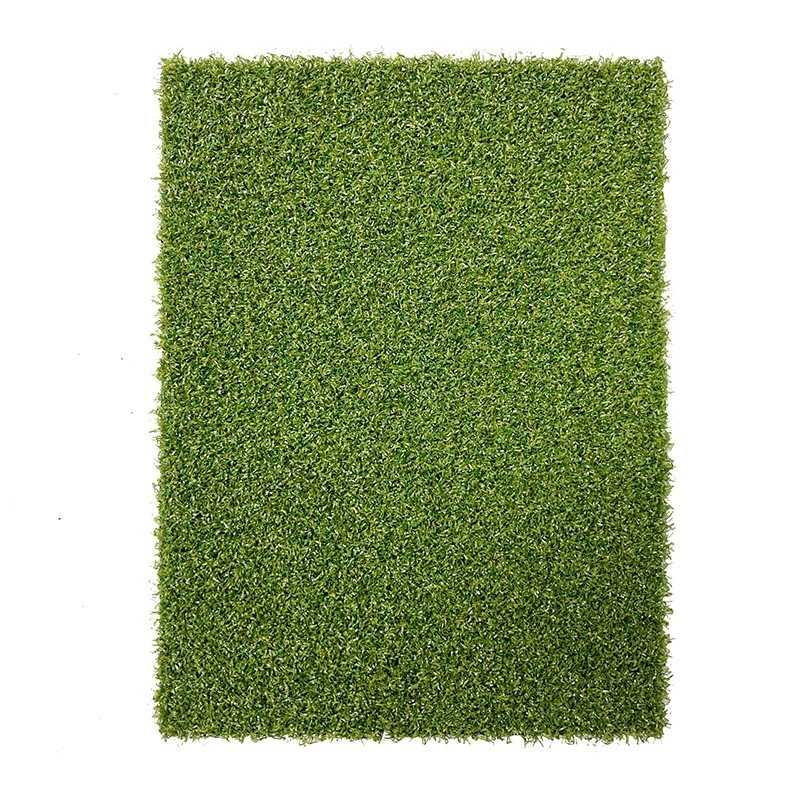
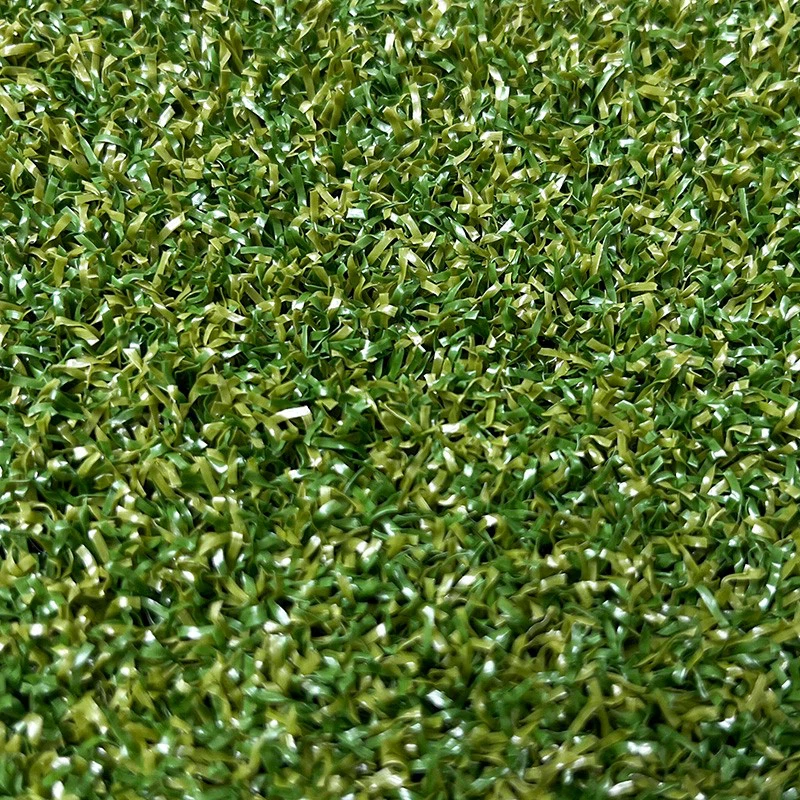
- Artificial Putting Green Turf: Designed to mimic the smoothness and consistency of natural grass, artificial putting green turf offers excellent ball roll and low maintenance requirements.
- Golf Putting Green Turf: Similar to artificial putting green turf, this type of turf is specifically engineered for golf putting greens, providing a realistic playing surface with precise ball control.
- Outdoor Putting Turf: Ideal for outdoor putting areas, this turf is durable, weather - resistant, and provides a consistent playing surface all year round.
Adjusting Your Mower for Natural Turf
When it comes to mowing natural turf, several factors need to be considered to ensure a healthy and attractive lawn. Here are some key mower adjustments based on the type of natural turf:
Cutting Height
- Bermuda Grass and Zoysia Grass: During the growing season, set the mower blade height between 0.5 and 1.5 inches for fairways and tees. For roughs, increase the cutting height to 2 to 3 inches to encourage a natural, wild look.
- Kentucky Bluegrass and Perennial Ryegrass: Maintain a cutting height of 2.5 to 3.5 inches for fairways and putting greens. A slightly higher cutting height helps these cool - season grasses develop a strong root system and withstand stress.
Blade Sharpness
Regardless of the turf type, it's crucial to keep the mower blades sharp. Dull blades can tear the grass, leaving it vulnerable to diseases and pests. Sharpen the blades at least once a month during the mowing season or as needed.
Mowing Frequency
- Bermuda Grass and Zoysia Grass: During the peak growing season, mow these warm - season grasses 2 to 3 times a week. As the growth rate slows down in the cooler months, reduce the mowing frequency to once a week.
- Kentucky Bluegrass and Perennial Ryegrass: Mow cool - season grasses once or twice a week, depending on the growth rate. Avoid mowing when the grass is wet, as this can lead to uneven cuts and disease spread.
Mower Speed
Adjust the mower speed according to the turf density and growth rate. For thick, fast - growing grass, reduce the mower speed to ensure a clean, even cut. For thinner turf, you can increase the speed slightly.
Adjusting Your Mower for Artificial Turf
Mowing artificial turf is quite different from mowing natural grass. Since artificial turf doesn't grow, the main goal of mowing is to maintain its appearance and smoothness. Here are some mower adjustments for artificial turf:
Cutting Height
Set the mower blade height to just above the turf surface to gently brush and fluff the fibers. This helps prevent matting and keeps the turf looking fresh and new.
Blade Type
Use a mower with a soft - brush or roller blade system. Unlike traditional mower blades, these types of blades are designed to gently groom the artificial turf without causing damage.
Mowing Frequency
Mow artificial putting green turf and outdoor putting turf once every few weeks or as needed to keep the fibers upright and looking their best.
Additional Tips for Mower Adjustment
- Check the Manufacturer's Guidelines: Always refer to the mower's user manual for specific adjustment instructions and maintenance recommendations.
- Test on a Small Area: Before mowing the entire golf course, test the mower settings on a small, inconspicuous area to ensure the desired results.
- Monitor Turf Conditions: Pay attention to the turf's growth rate, color, and texture. Adjust the mower settings as needed to adapt to changing weather conditions and turf health.
Conclusion
Proper mower adjustment is essential for maintaining the health, beauty, and playability of different types of golf turf. By understanding the unique characteristics of each turf type and making the appropriate mower adjustments, you can ensure a consistent, high - quality cut that enhances the overall golfing experience.
If you're in the market for high - quality golf turf, whether it's natural or artificial, I invite you to reach out to discuss your specific needs. Our team of experts is ready to assist you in selecting the perfect turf for your golf course and providing guidance on proper installation and maintenance. Contact us today to start a conversation about your golf turf project.
References
- Beard, J. B. (1973). Turfgrass: Science and Culture. Prentice - Hall.
- Turgeon, A. J. (2008). Turfgrass Management. Prentice - Hall.