

What is the load - bearing capacity of an artificial fence?
Nov 12, 2025
Leave a message
When it comes to artificial fences, one of the most critical factors that often concerns customers is their load - bearing capacity. As a well - established artificial fence supplier, I've encountered numerous inquiries about this topic. In this blog, I'll delve into the concept of the load - bearing capacity of artificial fences, the factors influencing it, and its significance in real - world applications.
Understanding Load - Bearing Capacity
The load - bearing capacity of an artificial fence refers to the maximum amount of weight or force that the fence can withstand without suffering significant damage or deformation. This capacity is crucial as it determines the fence's durability and functionality in various settings. Different types of loads can act on an artificial fence, including static loads and dynamic loads.
Static loads are those that remain constant over time. For example, the weight of the fence itself is a static load. If an artificial fence is designed to have additional features like decorative elements or attached signage, these also contribute to the static load. Dynamic loads, on the other hand, are variable and often sudden. Wind is a common dynamic load. A strong gust of wind can exert a significant force on the fence, pushing it sideways. In areas prone to high - speed winds, such as coastal regions or open plains, the ability of the fence to withstand these dynamic loads is of utmost importance.
Factors Influencing Load - Bearing Capacity
Material Quality
The quality of materials used in the construction of an artificial fence plays a fundamental role in determining its load - bearing capacity. High - quality plastics, metals, or composite materials are often more robust and can handle greater loads. For instance, fences made from reinforced PVC are generally stronger than those made from basic, non - reinforced plastic. The molecular structure of high - grade materials allows them to distribute stress more evenly, reducing the risk of breakage under heavy loads.
Design and Structure
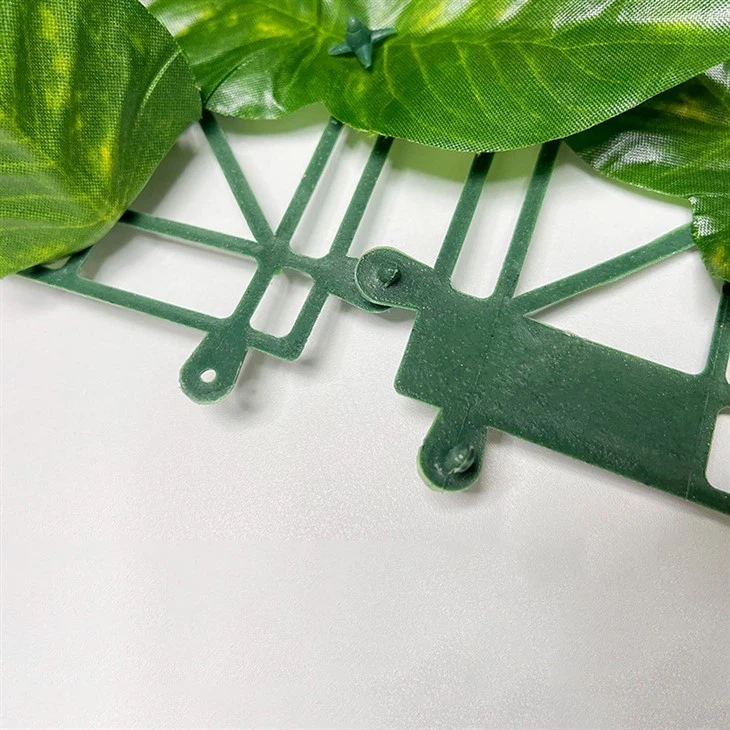
The design and structure of the artificial fence also have a significant impact on its load - bearing capacity. A well - designed fence with a sturdy frame and proper bracing can support more weight and force. For example, a fence with a grid - like structure is often more stable than a simple, single - panel design. The grid pattern helps to distribute the load across multiple points, preventing concentrated stress on any one area. Additionally, the height and width of the fence are important considerations. Taller and wider fences are more exposed to wind and other external forces, so they need to be designed with additional support to maintain their load - bearing capacity.
Installation Method
Proper installation is key to ensuring the full load - bearing capacity of an artificial fence. If the fence is not installed correctly, even a high - quality and well - designed fence may fail under relatively light loads. For example, if the fence posts are not buried deep enough in the ground, they may not provide sufficient stability. The soil type also matters during installation. In soft or sandy soil, additional measures such as using concrete footings may be required to anchor the fence securely.
Real - World Applications and Load - Bearing Requirements
Residential Use
In residential settings, artificial fences are commonly used for privacy and decoration. For a typical backyard privacy fence, the load - bearing requirements are relatively low. The main loads are usually the weight of the fence itself and the occasional gentle breeze. However, in some cases, homeowners may want to attach small planters or decorative lights to the fence. In such situations, the fence needs to be able to support the additional static load. Our Faux Privacy Fence is designed to meet these basic residential needs. It is made from high - quality materials and has a simple yet sturdy design that can withstand normal environmental conditions and light additional loads.
Commercial Use
Commercial applications often demand higher load - bearing capacities. For example, in a construction site, an artificial fence may be used to enclose the area and protect the public. These fences need to be able to withstand the impact of construction equipment, strong winds, and even accidental collisions. In a parking lot, the fence may need to support signage or advertising boards, which add to the static load. Our Artificial Privacy Fence can be customized for commercial use, with reinforced frames and stronger materials to meet these more demanding requirements.
Landscape and Event Use
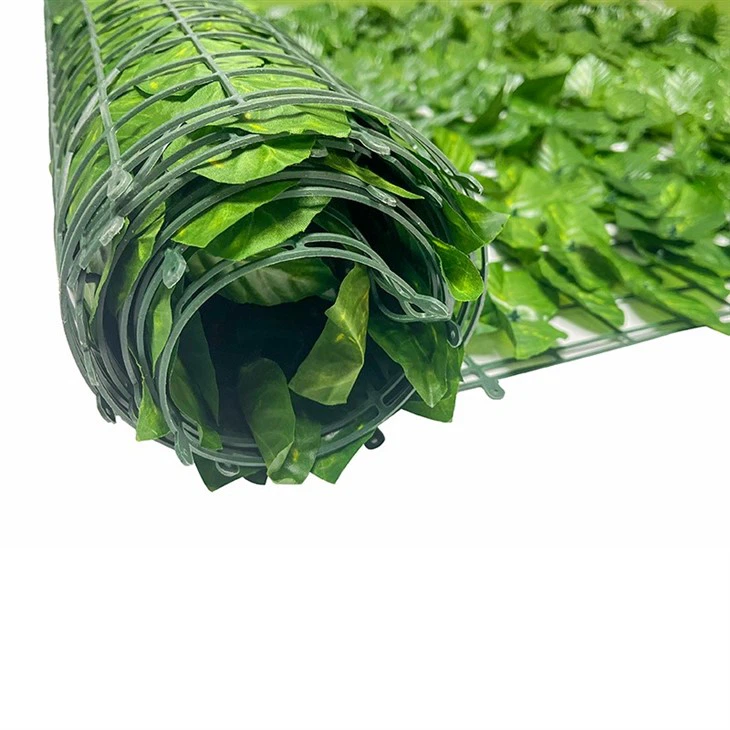
In landscape design and event settings, artificial fences are used to create boundaries and add aesthetic value. For large - scale events, such as outdoor concerts or festivals, the fences may need to handle a large number of people pushing against them. In landscape projects, the fence may be exposed to heavy rain, snow, and strong winds. Our Expandable Trellis With Leaves is a great option for these scenarios. Its expandable design allows for easy installation and customization, and it is built to withstand the dynamic loads associated with these environments.
Testing and Certification
To ensure the reliability of our artificial fences, we conduct rigorous testing on their load - bearing capacity. Our testing procedures simulate various real - world conditions, including high winds, heavy snow, and additional static loads. We also work with independent testing laboratories to obtain certifications that verify the performance of our fences. These certifications provide our customers with the confidence that our products meet or exceed industry standards.
Importance of Knowing Load - Bearing Capacity
Understanding the load - bearing capacity of an artificial fence is essential for both customers and suppliers. For customers, it helps them make informed decisions when choosing a fence for their specific needs. They can select a fence that is suitable for the environmental conditions and the intended use, ensuring long - term durability and functionality. For suppliers like us, knowing the load - bearing capacity allows us to design and manufacture better products. We can continuously improve our materials, designs, and installation methods to meet the evolving demands of the market.
Conclusion
In conclusion, the load - bearing capacity of an artificial fence is a complex but crucial aspect that affects its performance and longevity. As a supplier, we are committed to providing high - quality artificial fences with excellent load - bearing capabilities. Whether you are a homeowner looking for a privacy fence, a business owner in need of a commercial - grade barrier, or an event organizer requiring a decorative fence, we have the right solution for you.
If you are interested in learning more about our artificial fences or would like to discuss your specific requirements, please feel free to reach out to us. We are always ready to assist you in finding the perfect fence for your project.
References
- Building Codes and Standards for Fences, National Building Code Institute
- Material Science and Engineering for Fence Construction, Journal of Construction Materials
- Testing Methods for Fence Load - Bearing Capacity, International Fence Testing Association