

How Sustainability Is Reshaping Football Turf Ahead of the 2026 World Cup
Jun 15, 2026
Leave a message
How Sustainability Is Reshaping Football Turf Ahead of the 2026 World Cup
As the 2026 FIFA World Cup approaches, sustainability is becoming one of the most influential forces shaping football turf technology, stadium infrastructure, and procurement decisions worldwide.
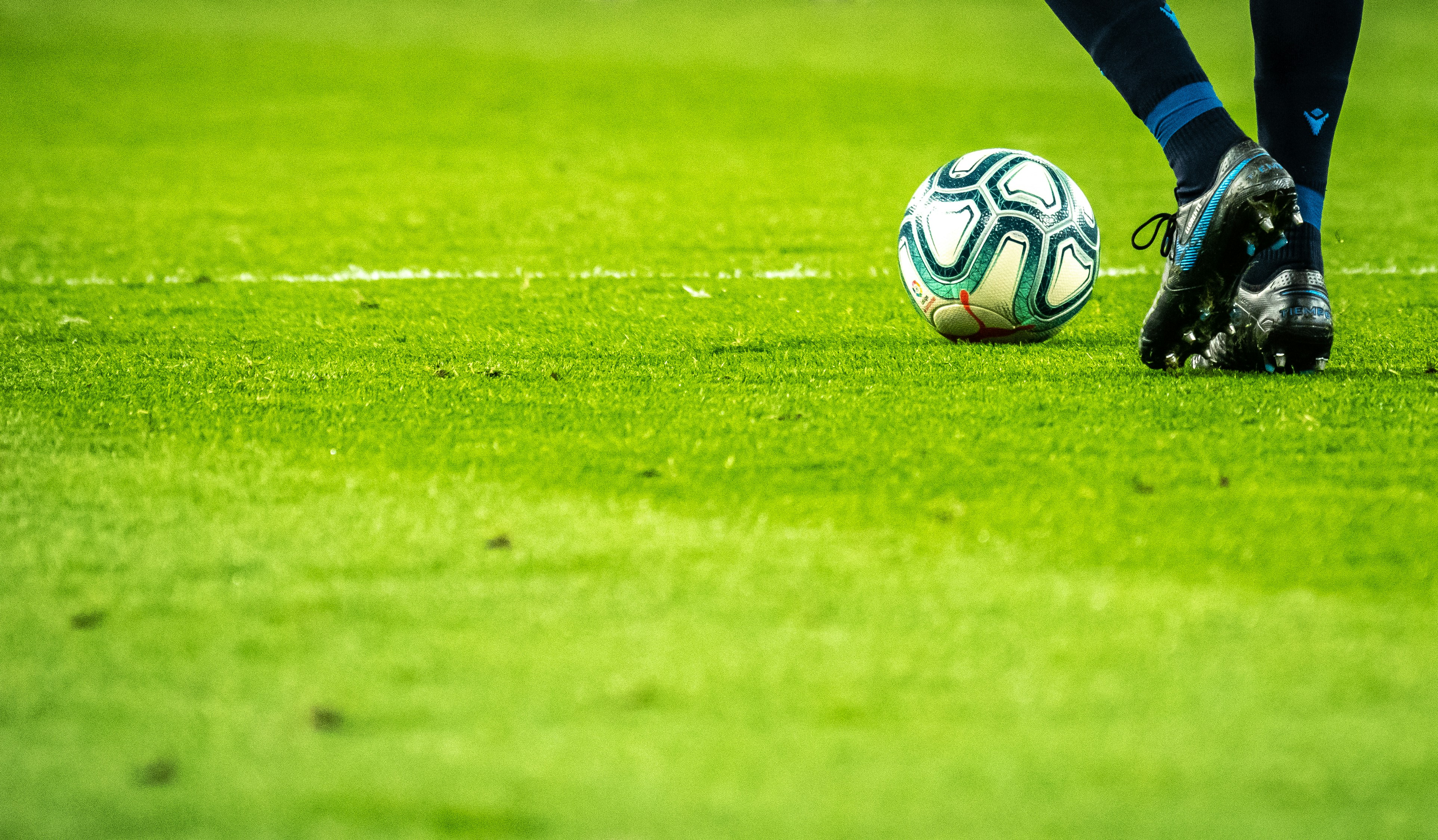
Introduction: The 2026 World Cup Is Accelerating Sustainable Football Infrastructure
The 2026 FIFA World Cup will be the largest tournament in football history, hosted jointly by the United States, Canada, and Mexico. Beyond the excitement of global competition, the tournament is driving unprecedented investment in football infrastructure, training facilities, and sports venues. However, unlike previous decades, sustainability is now a central consideration in every stage of facility development. Stadium operators, municipalities, football clubs, and contractors are increasingly evaluating how turf systems impact water consumption, carbon emissions, maintenance costs, and long-term environmental performance. As football continues to expand across North America and other regions, the demand for sustainable football turf solutions has never been stronger. The industry is moving beyond simply creating surfaces that look and play like natural grass; today's goal is to develop football fields that deliver elite performance while reducing environmental impact.
Why Sustainability Is Becoming a Major Priority in Football Turf
Several factors are driving the shift toward sustainable football turf systems. Water scarcity remains one of the biggest challenges facing sports facilities worldwide, particularly in parts of North America where drought conditions have become increasingly common. Natural grass pitches require extensive irrigation to maintain playing quality throughout the year. According to the U.S. Environmental Protection Agency (EPA), outdoor water use accounts for nearly 30% of household water consumption in the United States, with irrigation representing the largest portion of that usage. In commercial sports facilities, water demand can be substantially higher. This growing pressure on water resources is encouraging stadium owners and facility managers to explore alternative turf solutions that require significantly less irrigation. Source: https://www.epa.gov/watersense/statistics-and-facts
At the same time, rising maintenance costs are influencing purchasing decisions. Traditional natural grass fields require regular mowing, fertilization, pesticide applications, irrigation management, and seasonal renovation. Artificial turf and hybrid systems help reduce many of these recurring expenses while providing more consistent playing conditions. Environmental regulations are also becoming stricter. Buyers in Europe and North America increasingly request PFAS-free turf products, recyclable materials, and manufacturing processes that support sustainability objectives. These factors collectively explain why sustainability has evolved from a marketing concept into a practical requirement for modern football facilities.
Hybrid Turf: The Preferred Choice for Elite Football Venues
One of the most significant developments ahead of the 2026 World Cup is the continued adoption of hybrid turf technology. Hybrid football turf combines natural grass with synthetic reinforcement fibers, creating a playing surface that delivers the feel and performance of natural grass while improving durability and stability. Typically, hybrid systems contain approximately 95% natural grass and 5% synthetic fibers strategically integrated into the root zone. This combination helps strengthen the turf structure, reduce surface wear, and improve recovery after intensive use.
For stadiums hosting professional matches, hybrid systems offer a valuable balance between tradition and innovation. Players benefit from natural grass characteristics while venue operators gain improved resilience and reduced renovation requirements. The increasing popularity of hybrid systems demonstrates how sustainability is influencing even the highest levels of football. Rather than replacing natural grass entirely, the industry is developing solutions that extend turf lifespan, reduce resource consumption, and maintain elite playing standards. As major tournaments demand higher field utilization rates, hybrid turf is becoming a practical solution for modern football infrastructure.
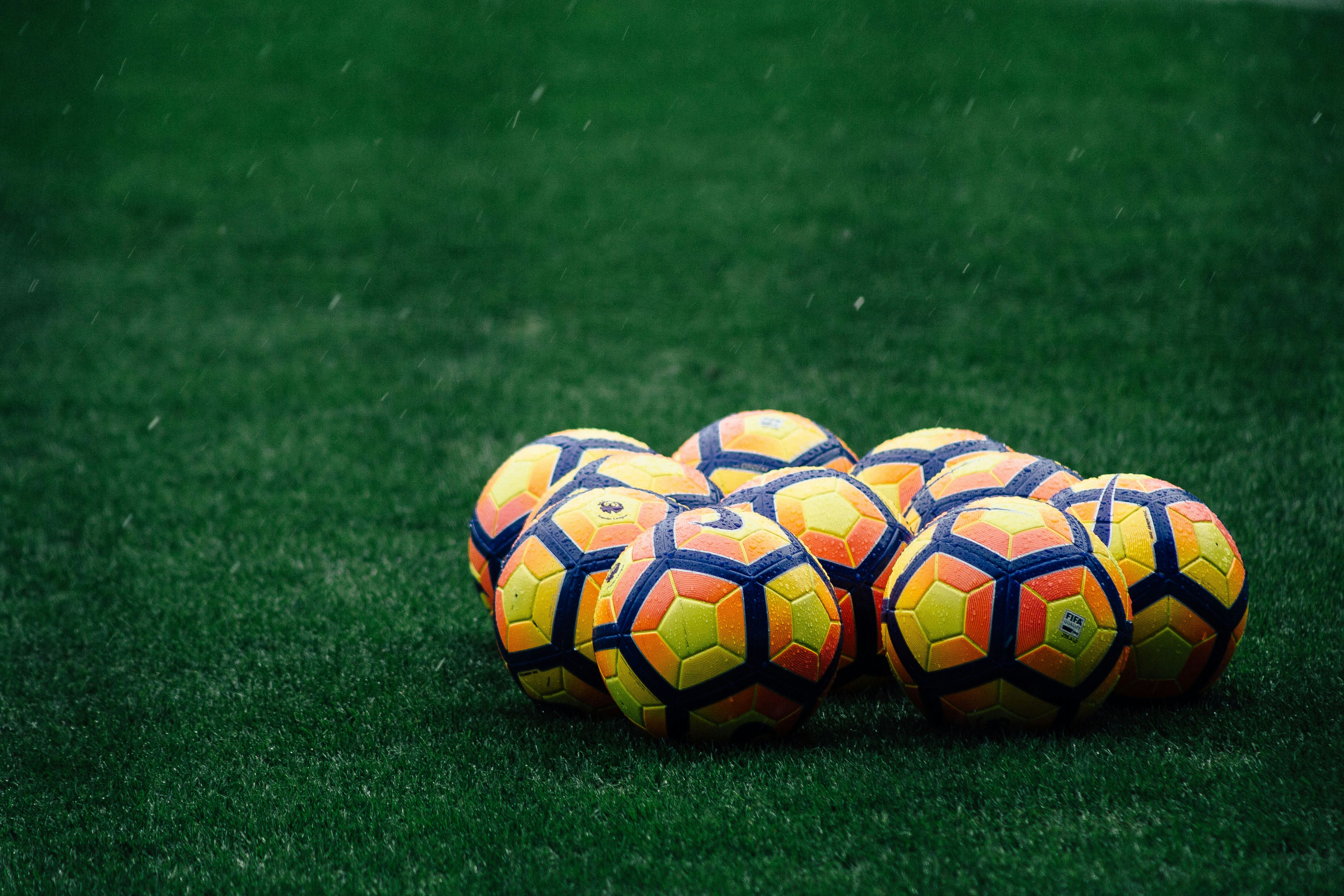
The Green Evolution of Artificial Football Turf
Artificial turf has undergone a remarkable transformation during the past decade. Earlier generations were often criticized for environmental concerns and limited recyclability. Today's advanced football turf systems are designed with sustainability in mind from the very beginning. Manufacturers are investing heavily in recyclable materials, PFAS-free formulations, improved drainage systems, and production methods that reduce environmental impact. These innovations are changing how buyers evaluate artificial turf products.
Recyclable Turf Systems
One of the most promising developments is the introduction of mono-material and recyclable turf systems. Traditional turf products often combine multiple materials, making recycling more difficult at the end of their service life. Newer designs simplify material composition, allowing for more efficient recycling and reuse. This approach supports circular economy initiatives that are becoming increasingly important across Europe and North America.
PFAS-Free Turf Solutions
Chemical safety has emerged as another important consideration. PFAS substances are receiving increased regulatory scrutiny worldwide due to environmental persistence concerns. As a result, many football turf buyers now prioritize PFAS-free products when evaluating suppliers. Manufacturers capable of providing transparent compliance documentation and environmentally responsible materials gain a significant competitive advantage in international markets.
Water Conservation Benefits
Perhaps the most visible sustainability benefit of artificial turf is water conservation. Unlike natural grass, artificial turf does not require routine irrigation to maintain appearance and playability. According to the Synthetic Turf Council, artificial turf fields can save hundreds of thousands of gallons of water annually compared with natural grass fields, depending on climate and usage conditions. As water scarcity becomes a growing concern worldwide, these savings are becoming increasingly valuable for facility operators. Source: https://syntheticturfcouncil.org
How the 2026 World Cup Will Influence Global Football Turf Procurement
The impact of the 2026 World Cup extends far beyond tournament venues. Host nations are investing heavily in training centers, community football facilities, youth academies, and supporting infrastructure. Many of these projects are expected to continue long after the final match has been played. This creates significant opportunities for sustainable football turf suppliers capable of meeting evolving performance and environmental expectations. Buyers are increasingly requesting products with enhanced drainage, UV resistance, environmental certifications, recyclability, and extended service life. Rather than focusing solely on initial purchase price, procurement teams are evaluating total lifecycle value and long-term sustainability performance.
The concept of World Cup legacy projects is also shaping purchasing decisions. Communities want football facilities that remain valuable assets for decades. Sustainable turf systems help maximize field availability, reduce operating costs, and support environmental objectives, making them an attractive option for municipalities and sports organizations alike.
How Linwoo Supports Sustainable Football Field Development
As a professional artificial turf manufacturer serving global markets, Linwoo recognizes that sustainability is becoming a critical purchasing factor for football projects of all sizes. Modern football facilities require more than attractive turf; they require systems that deliver long-term durability, efficient drainage, reduced maintenance demands, and environmental responsibility. Linwoo supports clients with customizable football turf solutions designed for training grounds, academies, community sports facilities, and commercial football projects. By focusing on material quality, product longevity, and performance consistency, Linwoo helps buyers achieve both operational and sustainability objectives while preparing for the future of football infrastructure.
Conclusion: Sustainability Is Defining the Next Generation of Football Turf
The road to the 2026 World Cup is shaping much more than football competition-it is reshaping the future of football infrastructure. Sustainability is influencing every aspect of turf development, from hybrid pitch technology and recyclable materials to water conservation and chemical safety standards. Hybrid turf and advanced artificial turf systems are no longer competing alternatives; they are complementary solutions designed to meet different performance and sustainability requirements. For football clubs, contractors, stadium operators, and facility developers, environmental responsibility is becoming an essential part of every procurement decision. As the global football industry evolves, sustainable football turf will play a central role in creating smarter, greener, and more resilient playing surfaces for generations to come.
Looking for Sustainable Football Turf Solutions?
Linwoo provides high-performance football turf solutions designed for modern sports facilities, training centers, academies, and community football fields. Contact our team today to learn how sustainable artificial turf can support your next football project.
Contact now