

Can stadium lawn turf be used for rugby stadiums?
Dec 03, 2025
Leave a message
Can stadium lawn turf be used for rugby stadiums? This is a question that many rugby stadium managers, sports facility planners, and turf enthusiasts often ask. As a supplier of Stadium Lawn Turf, I am more than happy to delve into this topic and provide you with a comprehensive analysis.
Understanding Stadium Lawn Turf
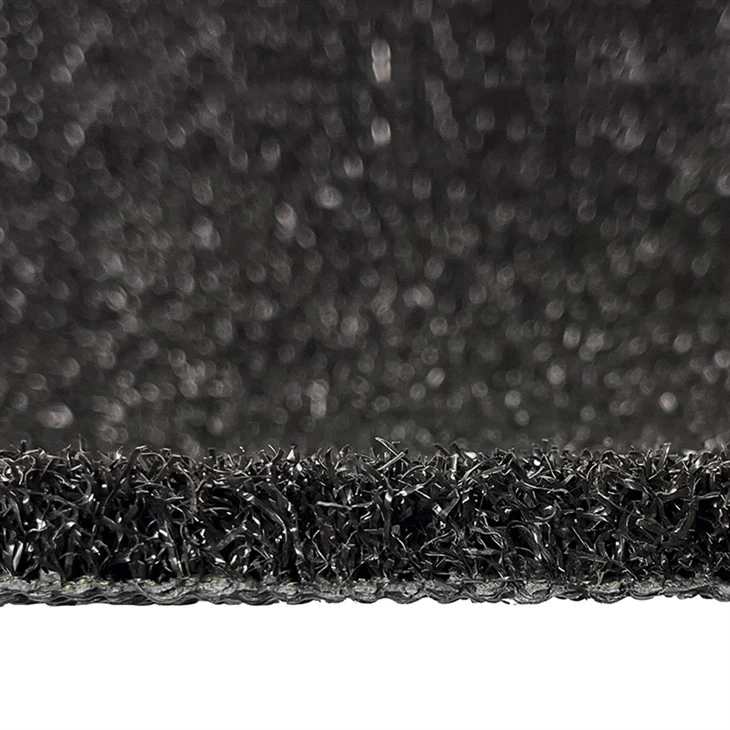
Stadium lawn turf is a type of artificial turf designed specifically for stadiums. It is engineered to mimic the look, feel, and performance of natural grass. This turf is typically made from synthetic fibers that are tufted into a backing material. The fibers can vary in length, density, and shape, which affects the turf's playability, durability, and maintenance requirements.
One of the key advantages of stadium lawn turf is its ability to withstand heavy use. It can endure the constant running, tackling, and sliding that occurs during sports events without showing significant wear and tear. Additionally, it is resistant to weather conditions, which means that it can be used year - round without the need for extensive maintenance due to rain, snow, or extreme heat.
Requirements for Rugby Stadiums
Rugby is a physically demanding sport that requires a playing surface that can support the high - intensity movements of the players. Here are some of the key requirements for a rugby stadium surface:
1. Traction
Rugby players need good traction to make quick turns, accelerate, and decelerate. The surface should allow for proper grip of the players' boots without causing excessive slipping. This is crucial for preventing injuries and ensuring that the players can perform at their best.
2. Shock Absorption
The sport involves a lot of physical contact, including tackles and falls. A rugby pitch needs to have sufficient shock absorption to reduce the impact on the players' bodies. This helps to minimize the risk of injuries such as concussions, sprains, and fractures.
3. Durability
Rugby matches can be rough on the playing surface. The constant running, tackling, and scrum - forming can cause significant damage to the turf. Therefore, the surface must be durable enough to withstand these forces and maintain its integrity over time.
4. Ball Bounce
The bounce of the rugby ball is an important factor in the game. The surface should provide a consistent and predictable ball bounce, allowing players to anticipate and react to the ball's movement accurately.
Can Stadium Lawn Turf Meet Rugby Stadium Requirements?
1. Traction
Modern stadium lawn turf is designed to provide excellent traction. The synthetic fibers are engineered to grip the players' boots effectively, similar to natural grass. Some turf products even have specialized textures or patterns on the surface to enhance traction. This means that stadium lawn turf can meet the traction requirements of rugby stadiums, allowing players to move freely and safely on the pitch.
2. Shock Absorption
Many stadium lawn turf systems are equipped with shock - absorbing pads or infill materials. These components help to reduce the impact of falls and tackles, providing a safer playing surface for rugby players. The shock absorption can be adjusted during the installation process to meet the specific needs of the rugby stadium.
3. Durability
As mentioned earlier, stadium lawn turf is highly durable. It can withstand the heavy traffic and physical abuse associated with rugby matches. The synthetic fibers are resistant to wear and tear, and the backing material provides additional strength and stability. With proper installation and maintenance, stadium lawn turf can last for many years, making it a cost - effective option for rugby stadiums.
4. Ball Bounce
Stadium lawn turf can be engineered to provide a consistent ball bounce. The density and length of the synthetic fibers, as well as the type of infill material, can be adjusted to control the ball's bounce characteristics. This ensures that the ball behaves predictably during rugby matches, which is essential for fair play.
Advantages of Using Stadium Lawn Turf in Rugby Stadiums
1. Low Maintenance
Compared to natural grass, stadium lawn turf requires significantly less maintenance. There is no need for mowing, watering, fertilizing, or pest control. This not only saves time and labor but also reduces the overall cost of maintaining the rugby stadium.
2. All - Weather Use
Rugby matches can be scheduled regardless of the weather conditions when using stadium lawn turf. The turf is not affected by rain, snow, or extreme heat, which means that games can go on as planned without the need for pitch closures or rescheduling.
3. Consistent Playing Surface
Stadium lawn turf provides a consistent playing surface throughout the entire pitch. There are no bare patches, uneven areas, or mud spots, which can affect the game's fairness and player safety. This ensures that all players have an equal opportunity to perform at their best.
Considerations When Choosing Stadium Lawn Turf for Rugby Stadiums
1. Quality and Certification
It is important to choose a high - quality stadium lawn turf that meets international standards for rugby. Look for turf products that have been tested and certified by relevant sports organizations. This ensures that the turf meets the necessary safety and performance requirements.
2. Installation
Proper installation is crucial for the performance and longevity of the stadium lawn turf. Hire a professional installation team with experience in installing turf for rugby stadiums. They will ensure that the turf is installed correctly, including the proper preparation of the sub - base and the installation of shock - absorbing pads.
3. Maintenance Plan
Although stadium lawn turf requires less maintenance than natural grass, it still needs some care. Develop a maintenance plan that includes regular cleaning, brushing, and inspection of the turf. This will help to keep the turf in good condition and extend its lifespan.
Other Applications of Stadium Lawn Turf
In addition to rugby stadiums, stadium lawn turf has a wide range of other applications. For example, it can be used for Indoor Athletic Turf in indoor sports facilities. It provides a safe and durable playing surface for various indoor sports such as soccer, basketball, and volleyball.
Stadium lawn turf is also suitable for Tennis Court Turf. It can offer a consistent ball bounce and good traction for tennis players, making it a popular choice for both professional and amateur tennis courts.
Conclusion
In conclusion, stadium lawn turf can indeed be used for rugby stadiums. It meets the key requirements of rugby pitches, including traction, shock absorption, durability, and ball bounce. Moreover, it offers several advantages such as low maintenance, all - weather use, and a consistent playing surface.
If you are a rugby stadium manager, sports facility planner, or involved in the construction of a new rugby stadium, I encourage you to consider stadium lawn turf as a viable option for your playing surface. Our company offers high - quality stadium lawn turf products that are designed to meet the specific needs of rugby stadiums. We have a team of experts who can provide you with professional advice on product selection, installation, and maintenance.
If you are interested in learning more about our stadium lawn turf products or would like to discuss a potential procurement, please feel free to reach out. We are eager to engage in a productive conversation with you and help you create the perfect playing surface for your rugby stadium.

References
- Sports Turf Research Institute. (2023). Guidelines for Artificial Turf in Sports Stadiums.
- International Rugby Board. (2023). Playing Surface Requirements for Rugby Stadiums.