

How long does tennis turf last?
Dec 09, 2025
Leave a message
How long does tennis turf last?
As a supplier of tennis turf, I am often asked about the lifespan of our products. The durability of tennis turf is a crucial factor for both professional tennis facilities and amateur players, as it directly impacts the long - term cost and quality of the playing surface. In this blog, I will delve into the various factors that affect how long tennis turf lasts and provide some general guidelines for its expected lifespan.
Factors Affecting the Lifespan of Tennis Turf
1. Quality of Materials
The quality of the materials used in the manufacturing of tennis turf is one of the most significant factors determining its longevity. High - quality synthetic fibers are designed to withstand the rigors of constant use, UV radiation, and environmental elements. For instance, polyethylene and polypropylene are commonly used in top - grade tennis turf. These materials are resistant to wear and tear, fading, and degradation.
On the other hand, lower - quality materials may start to show signs of damage, such as fraying, matting, or discoloration, within a few years of installation. When choosing tennis turf, it is essential to opt for products made from high - performance materials that have been tested for durability. Our Tennis Turf is crafted from premium synthetic fibers that are engineered to last, ensuring a long - lasting and high - quality playing surface.
2. Frequency of Use
The frequency of use is another critical factor. Tennis courts that are used for professional tournaments or daily practice sessions by multiple players will experience more wear and tear compared to courts that are used only occasionally. Heavy foot traffic, constant ball impacts, and the movement of players' shoes can gradually break down the turf fibers over time.
For example, a tennis court at a busy tennis club that hosts regular matches and training sessions may need to be replaced every 8 - 12 years. In contrast, a private tennis court at a residential property that is used only a few times a month could last 15 - 20 years or more.
3. Maintenance
Proper maintenance is key to extending the lifespan of tennis turf. Regular cleaning helps remove dirt, debris, and leaves that can accumulate on the surface and cause damage if left unattended. Additionally, brushing the turf regularly helps to keep the fibers upright and prevent matting.
In areas with high levels of rainfall or snow, it is important to ensure proper drainage to prevent waterlogging, which can lead to mold and mildew growth and damage the turf. Our Tennis Court Turf comes with detailed maintenance instructions to help our customers keep their courts in top condition for as long as possible.

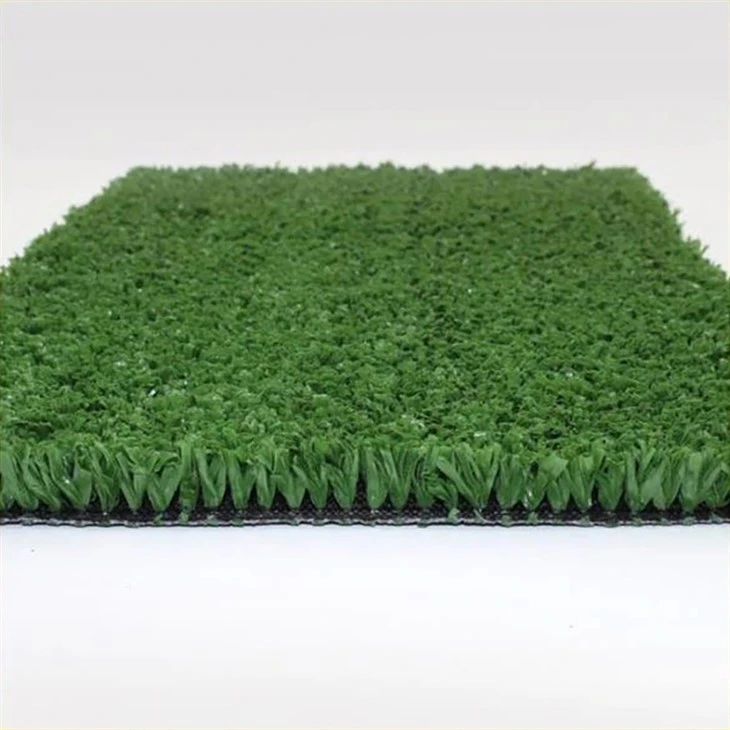
4. Environmental Conditions
The environmental conditions in which the tennis turf is installed also play a role in its lifespan. Turf installed in areas with extreme temperatures, high levels of UV radiation, or harsh weather conditions will generally have a shorter lifespan.
For example, in regions with intense sunlight, the UV rays can cause the turf fibers to fade and become brittle over time. In areas with cold winters, freezing and thawing cycles can also damage the turf. However, our tennis turf is designed to be resistant to a wide range of environmental conditions. Our Indoor Athletic Turf is an excellent option for those who want to avoid the impact of outdoor environmental factors.
Expected Lifespan of Tennis Turf
Based on the factors mentioned above, the expected lifespan of tennis turf can vary significantly. Generally speaking, high - quality tennis turf that is well - maintained and used moderately can last anywhere from 10 to 20 years.
For professional tennis facilities with heavy use, the turf may need to be replaced every 8 - 12 years to ensure optimal playing conditions. In contrast, private or less - frequently used courts can expect a lifespan of 15 - 20 years or more.
It is important to note that these are just general estimates, and the actual lifespan of the turf will depend on the specific circumstances of each installation. Regular inspections by a professional can help determine when it is time to replace the turf.
Extending the Lifespan of Tennis Turf
To get the most out of your tennis turf, here are some additional tips:
- Limit Heavy Equipment: Avoid using heavy equipment on the turf, such as lawnmowers or snowplows, as they can cause significant damage to the fibers.
- Use Appropriate Footwear: Encourage players to wear appropriate tennis shoes with non - marking soles to minimize abrasion on the turf.
- Address Repairs Promptly: If you notice any damage to the turf, such as tears or loose seams, address them promptly to prevent further deterioration.
Conclusion
The lifespan of tennis turf is influenced by a variety of factors, including the quality of materials, frequency of use, maintenance, and environmental conditions. By choosing high - quality turf, maintaining it properly, and taking steps to protect it from damage, you can ensure that your tennis court provides a high - quality playing surface for many years to come.
If you are considering installing a new tennis court or replacing your existing turf, we are here to help. Our team of experts can provide you with detailed information about our products and help you choose the right tennis turf for your needs. Contact us today to start a discussion about your tennis turf requirements and take the first step towards a long - lasting and high - performance tennis court.
References
- "Synthetic Turf for Sports: A Guide to Selection and Maintenance." Sports Turf Management Association.
- "The Impact of Environmental Factors on Synthetic Turf Durability." Journal of Sports Surface Technology.