

How to dispose of old stadium lawn turf?
Jun 26, 2025
Leave a message
Disposing of old stadium lawn turf is a significant concern for stadium managers, environmentalists, and turf suppliers like me. In this blog, I'll share some effective ways to handle old stadium lawn turf, taking into account environmental impact, cost - effectiveness, and potential reuse opportunities.
1. Understanding the Composition of Stadium Lawn Turf
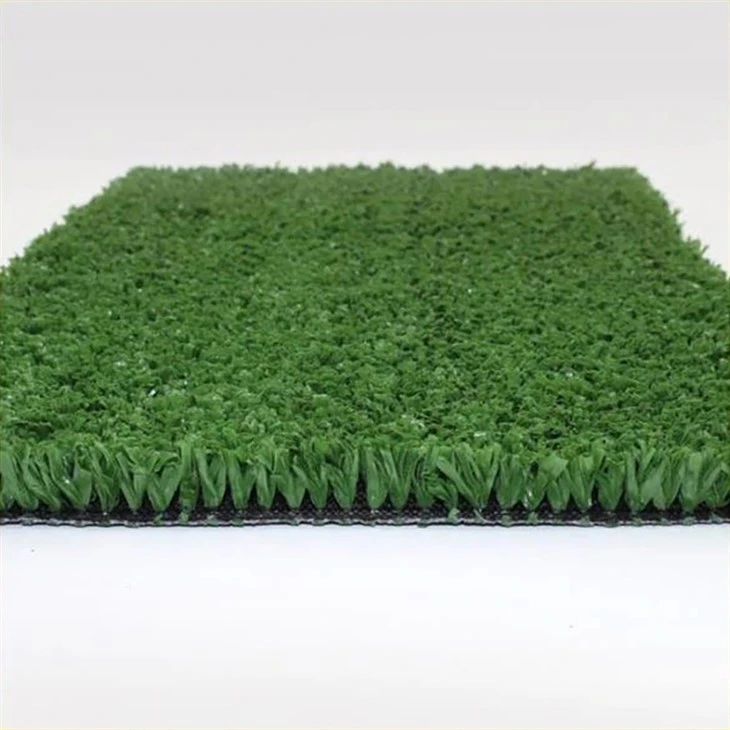
Before diving into the disposal methods, it's crucial to understand what stadium lawn turf is made of. Most modern stadium lawn turf, especially artificial turf, consists of synthetic fibers like polyethylene or polypropylene, a backing material, and infill materials such as rubber granules or sand. Natural turf, on the other hand, is composed of grass and soil. The composition affects the disposal process and the options available.
2. Environmental Considerations
The disposal of old stadium lawn turf can have a substantial environmental impact. Landfilling is the most common but least environmentally friendly option. Artificial turf can take hundreds of years to decompose, and the infill materials, especially rubber, may release harmful chemicals into the soil and groundwater over time. Natural turf can also contribute to landfill methane emissions as it decomposes anaerobically. Therefore, we should explore more sustainable alternatives.
3. Recycling Options
Recycling is one of the most sustainable ways to dispose of old stadium lawn turf.
- Artificial Turf Recycling
Many companies specialize in recycling artificial turf. They can separate the synthetic fibers from the backing and infill materials. The recycled synthetic fibers can be used to make new turf products, such as Indoor Athletic Turf. The infill materials, like rubber, can be repurposed for other applications, such as playground surfaces or running tracks. - Natural Turf Recycling
Natural turf can be composted. Composting turns the grass and soil into nutrient - rich organic matter that can be used for gardening, landscaping, or even to improve the soil quality of new stadium fields. To compost natural turf, it should be cut into small pieces and mixed with other organic materials like leaves and twigs. The compost pile needs to be regularly turned to ensure proper aeration and decomposition.
4. Reuse Opportunities
Reusing old stadium lawn turf can save money and reduce waste.
- For Smaller Sports Facilities
Old artificial turf can be reused in smaller sports facilities, such as community centers or schools. Although it may not meet the high - performance standards of professional stadiums, it can still provide a functional playing surface at a lower cost. For example, Rugby Artificial Turf that is no longer suitable for a large - scale rugby stadium can be repurposed for a local rugby club. - Landscaping Purposes
Both natural and artificial turf can be used for landscaping. Artificial turf can be used to create decorative areas, such as rooftop gardens or pathways. Natural turf can be transplanted to areas that need ground cover, like parks or private gardens.
5. Donation
Donating old stadium lawn turf is another viable option. Non - profit organizations, community groups, or schools may be interested in receiving free turf for their projects. This not only helps these organizations save money but also reduces the amount of turf going to landfills. You can reach out to local community centers, schools, or sports clubs to see if they have a need for your old turf.
6. Proper Removal and Handling
Proper removal and handling of old stadium lawn turf are essential for both safety and efficiency.
- Artificial Turf Removal
When removing artificial turf, it's important to use the right tools and techniques. Specialized equipment may be needed to cut the turf into manageable pieces and remove the infill materials. Workers should wear appropriate protective gear, such as gloves and safety glasses, to avoid injuries from the sharp edges of the turf and the infill materials. - Natural Turf Removal
For natural turf, a sod cutter can be used to remove the grass and a thin layer of soil. The removed turf should be carefully stacked to prevent damage and can be transported to the composting site or donation location as soon as possible.
7. Cost - Benefit Analysis
When deciding on the best disposal method, a cost - benefit analysis should be conducted. Recycling and reuse options may require an upfront investment in terms of transportation and processing, but they can save money in the long run by reducing landfill fees and potentially generating revenue from recycled materials. Donation and reuse can also provide intangible benefits, such as positive community relations.
8. Working with a Professional Disposal Service
As a stadium lawn turf supplier, I often recommend working with a professional disposal service. These companies have the expertise and equipment to handle the removal, recycling, and disposal of old turf efficiently. They can also ensure that all environmental regulations are followed during the process.
9. Conclusion
Disposing of old stadium lawn turf is a complex issue that requires careful consideration. By exploring recycling, reuse, donation, and proper removal techniques, we can minimize the environmental impact and maximize the value of old turf. As a stadium lawn turf supplier, I am committed to providing sustainable solutions to my customers. If you are in need of new stadium lawn turf or have old turf that needs to be disposed of, I encourage you to reach out to me. We can discuss the best options for your specific situation and work together to create a more sustainable future for stadium sports.

References
- "The Handbook of Artificial Turf Recycling" - A comprehensive guide on recycling artificial turf materials.
- "Composting Guide for Natural Turf" - Published by a leading environmental organization, providing step - by - step instructions on composting natural turf.
- "Sustainable Disposal of Sports Turf" - A research paper that analyzes the environmental and economic impacts of different turf disposal methods.