

How to install sport turf on a slope?
Oct 29, 2025
Leave a message
Installing sport turf on a slope presents unique challenges compared to flat surfaces. As a sport turf supplier, I've encountered numerous projects involving sloped terrains, and I'm here to share comprehensive insights on how to tackle this task effectively.
Understanding the Slope
Before initiating the installation process, a thorough assessment of the slope is essential. Measure the incline accurately using a clinometer or a laser level. A slope with a gradient of up to 5% is generally considered manageable with standard installation techniques. However, slopes exceeding this percentage may require specialized approaches.
It's also important to analyze the soil composition beneath the slope. Sandy soils drain well but may lack stability, while clay soils retain water and can be prone to erosion. Conducting a soil test will help you determine the appropriate base preparation methods. For instance, if the soil is too loose, compacting it or adding a geotextile fabric can enhance stability.
Selecting the Right Turf
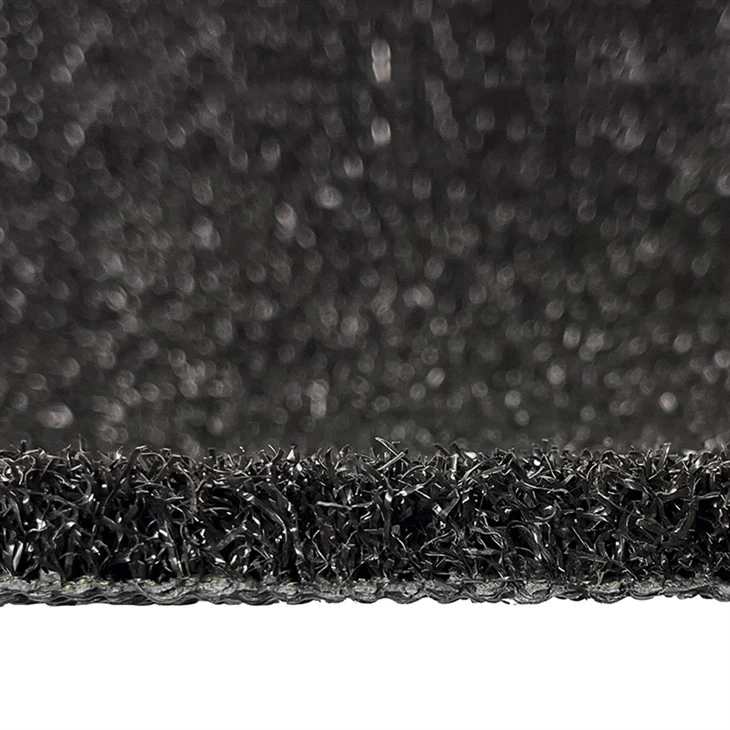
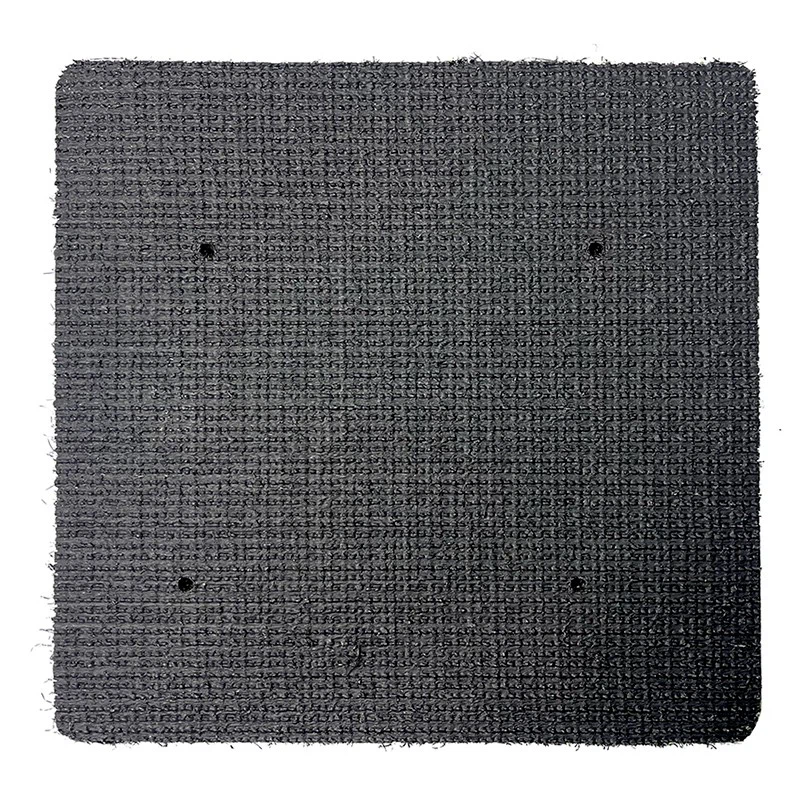
Not all sport turfs are suitable for sloped installations. When choosing the turf, consider factors such as pile height, density, and backing material. For slopes, a shorter pile height is often preferable as it reduces the risk of the turf shifting or sliding. A denser turf also provides better stability and traction.
Our company offers a variety of options suitable for slopes, including Tennis Turf, Indoor Athletic Turf, and Stadium Lawn Turf. These turfs are designed to withstand the rigors of sports activities on sloped surfaces, providing excellent performance and durability.
Preparing the Base
Proper base preparation is crucial for a successful sport turf installation on a slope. The base should be stable, well-drained, and free of any debris or vegetation. Start by clearing the area of any existing grass, rocks, or other obstacles. Then, grade the slope to ensure a smooth and even surface.
If the slope has a significant incline, you may need to create a series of terraces or steps to reduce the risk of erosion and improve the stability of the turf. This can be achieved by using retaining walls or landscaping timbers. Additionally, installing a geotextile fabric over the base can help prevent soil erosion and provide an extra layer of support for the turf.
Installing the Turf
Once the base is prepared, it's time to install the turf. Begin by rolling out the turf along the slope, starting from the top and working your way down. Make sure the turf is laid flat and smooth, with no wrinkles or folds. Use a utility knife to trim the turf to fit the edges of the slope.
To secure the turf in place, use landscape staples or nails at regular intervals. On steeper slopes, you may need to use additional anchoring methods, such as sandbags or weights, to prevent the turf from shifting. Pay special attention to the seams between the turf rolls, ensuring they are tightly joined to prevent any gaps or separations.
Infilling and Finishing
After the turf is installed, it's important to infill it with a suitable material to enhance its performance and durability. Infill materials typically include sand, rubber granules, or a combination of both. The type and amount of infill used will depend on the specific type of turf and the intended use of the surface.
Use a spreader to evenly distribute the infill over the turf, and then use a power broom or a stiff brush to work the infill into the turf fibers. This will help to stabilize the turf and provide better traction. Finally, use a blower or a vacuum to remove any excess infill from the surface.
Maintenance Considerations
Maintaining sport turf on a slope requires some additional attention compared to flat surfaces. Regularly inspect the turf for any signs of damage or wear, and repair any issues promptly. Keep the turf clean by removing any debris or leaves, and use a mild detergent and water to clean the surface as needed.
On slopes, proper drainage is essential to prevent water from pooling and causing damage to the turf. Make sure the drainage system is functioning properly, and clear any clogged drains or gutters. Additionally, avoid overwatering the turf, as this can lead to waterlogging and soil erosion.
Conclusion
Installing sport turf on a slope can be a challenging but rewarding project. By following these guidelines and using the right materials and techniques, you can ensure a successful installation that provides a safe and durable surface for sports activities. As a sport turf supplier, we are committed to providing high-quality products and expert advice to help you achieve the best results.
If you're interested in purchasing sport turf for your slope project or have any questions about the installation process, please don't hesitate to contact us. Our team of professionals is ready to assist you with your project and help you select the right turf for your needs.
References
- "Artificial Turf Installation Guide," Turf Manufacturers Association.
- "Best Practices for Installing Artificial Turf on Slopes," Sports Turf Magazine.