

How to prevent weeds from growing under outdoor putting turf?
Dec 22, 2025
Leave a message
As a supplier of outdoor putting turf, I've encountered numerous customers concerned about weed growth beneath their turf. Weeds not only mar the aesthetic appeal of a putting green but can also undermine the integrity of the turf and disrupt the smoothness required for a great putting experience. In this blog, I'll share some practical and scientific ways to prevent weeds from growing under outdoor putting turf.
Understanding the Causes of Weed Growth
Before we delve into prevention methods, it's crucial to understand why weeds grow under outdoor putting turf. Weeds can germinate from seeds present in the soil beneath the turf, which may have lain dormant until the right conditions emerged. Factors such as sunlight penetration, moisture retention, and the presence of nutrients in the soil can trigger weed growth. Additionally, if the turf is not properly installed or maintained, it can create gaps or areas where weeds can find their way through.
Site Preparation: The First Line of Defense
Proper site preparation is essential to prevent weed growth from the start. Begin by thoroughly clearing the area where the putting turf will be installed. Remove all existing vegetation, including weeds, grass, and any debris. This can be done manually using a shovel or hoe, or with the help of a mechanical tiller for larger areas.
Once the area is cleared, it's advisable to apply a pre - emergent herbicide. Pre - emergent herbicides work by creating a barrier in the soil that prevents weed seeds from germinating. There are many commercially available pre - emergent herbicides on the market, and it's important to choose one that is safe for use around artificial turf and follow the manufacturer's instructions carefully.

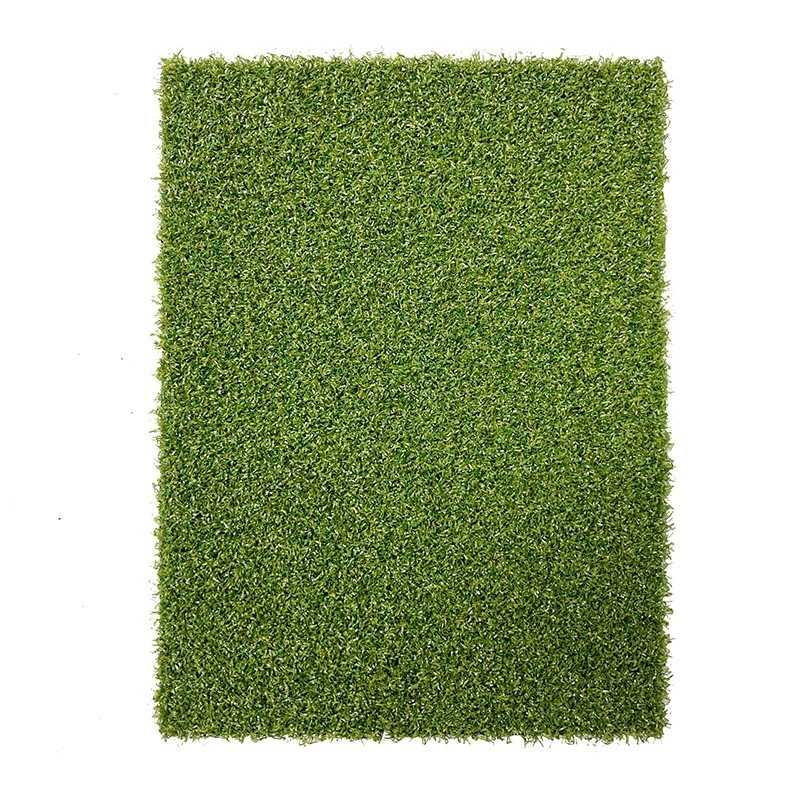
After applying the herbicide, consider installing a weed barrier. A high - quality weed barrier, such as a geotextile fabric, can be laid over the soil surface. This fabric allows water and air to penetrate while blocking sunlight, which is essential for weed growth. You can find more information about different types of turf and their installation requirements on our Golf Green Grass page.
High - Quality Turf Installation
The quality of the turf installation plays a significant role in preventing weed growth. Ensure that the turf is installed tightly and securely. Any gaps or loose areas can provide opportunities for weeds to grow through. Here are some key points to keep in mind during installation:
- Proper Seaming: When joining multiple pieces of turf, use a high - quality seaming tape and adhesive. This will create a seamless and secure bond between the turf pieces, minimizing the chances of weed intrusion.
- Edge Securement: Secure the edges of the turf properly. You can use landscape edging or nails to hold the turf in place. This will prevent the turf from shifting and creating openings for weeds.
- Stretching the Turf: Ensure that the turf is stretched evenly across the installation area. A loose or wrinkled turf can trap moisture and debris, which can promote weed growth.
Our Putting Green Turf products are designed for easy and secure installation, with detailed installation guides available to help you achieve the best results.
Regular Maintenance
Even after proper site preparation and installation, regular maintenance is necessary to keep weeds at bay. Here are some maintenance practices you can adopt:
- Inspect Regularly: Conduct regular visual inspections of the putting turf. Look for any signs of weed growth, such as small plants emerging through the turf or discoloration that may indicate the presence of weeds beneath. If you spot any weeds, remove them immediately.
- Keep the Turf Clean: Regularly clean the turf to remove debris, leaves, and other organic matter. These materials can trap moisture and provide a breeding ground for weeds. You can use a leaf blower or a soft - bristle brush to clean the turf surface.
- Proper Drainage: Ensure that the putting green has proper drainage. Standing water can create a moist environment that is conducive to weed growth. If necessary, install a drainage system or adjust the slope of the installation area to prevent water pooling.
Chemical and Non - Chemical Control
In addition to the above methods, you can use both chemical and non - chemical control methods to manage weed growth.
- Chemical Control: If you notice persistent weed problems, you can use a post - emergent herbicide. However, it's important to choose a herbicide that is safe for use on artificial turf. Some herbicides may damage the turf fibers or cause discoloration. Always follow the manufacturer's instructions when using herbicides.
- Non - Chemical Control: For those who prefer a more natural approach, you can use boiling water or vinegar to kill weeds. Pouring boiling water directly on the weeds can destroy their cellular structure, while vinegar acts as a natural herbicide. These methods are most effective for small, isolated weed patches.
Choosing the Right Turf
The type of putting turf you choose can also impact weed prevention. Our Golf Putting Green Turf is designed with features that minimize the potential for weed growth. For example, some of our turfs have a dense pile construction that blocks sunlight from reaching the soil beneath, making it difficult for weed seeds to germinate.
In conclusion, preventing weed growth under outdoor putting turf requires a combination of proper site preparation, high - quality installation, regular maintenance, and the right choice of turf. By following these steps, you can ensure that your putting green remains weed - free and provides an excellent playing surface for years to come.
If you're interested in purchasing high - quality outdoor putting turf or have any questions about our products and services, we'd love to hear from you. Contact us to start a conversation about how we can meet your turf needs.
References
- Beard, J. B. (1973). Turfgrass: science and culture. Prentice - Hall.
- Landschoot, P. J., & Bowers, D. (2019). Turfgrass Management, 4th Edition. Pearson.
- United States Golf Association Green Section. Various publications on golf course management and turfgrass maintenance.