

How to protect sport turf from extreme weather conditions?
Jan 07, 2026
Leave a message
Hey there! As a sport turf supplier, I've seen firsthand how extreme weather conditions can take a toll on sport turf. Whether it's scorching heat, freezing cold, heavy rain, or strong winds, these elements can damage the turf and affect its performance. In this blog post, I'll share some tips on how to protect sport turf from extreme weather conditions.
Dealing with Extreme Heat
Extreme heat can cause the turf to dry out, turn brown, and become brittle. To protect your sport turf from the heat, here are some things you can do:
- Water Regularly: During hot weather, it's important to water the turf regularly to keep it hydrated. Aim to water the turf early in the morning or late in the evening to minimize evaporation. You can use a sprinkler system or a hose to water the turf, but make sure to water it deeply to reach the roots.
- Provide Shade: If possible, provide shade for the turf during the hottest part of the day. You can use shade cloth or umbrellas to create a shaded area. This will help to reduce the temperature of the turf and prevent it from drying out.
- Use Cool-Season Grasses: Cool-season grasses, such as Kentucky bluegrass and perennial ryegrass, are more tolerant of heat than warm-season grasses. If you live in an area with hot summers, consider using cool-season grasses for your sport turf.
Protecting Against Freezing Cold
Freezing cold can cause the turf to become dormant, turn brown, and even die. To protect your sport turf from the cold, here are some things you can do:
- Keep the Turf Clean: Before the first frost, make sure to remove any leaves, debris, or other organic matter from the turf. This will help to prevent the turf from becoming smothered and damaged by the cold.
- Apply a Winter Fertilizer: Applying a winter fertilizer to the turf in the fall can help to strengthen the roots and prepare the turf for the cold weather. Look for a fertilizer that is high in potassium and phosphorus, as these nutrients will help to improve the turf's cold tolerance.
- Avoid Traffic on Frozen Turf: Walking or playing on frozen turf can cause the turf to become damaged and may even kill it. Make sure to avoid traffic on the turf when it is frozen.
Handling Heavy Rain
Heavy rain can cause the turf to become waterlogged, which can lead to root rot and other problems. To protect your sport turf from heavy rain, here are some things you can do:
- Improve Drainage: If your sport turf has poor drainage, it's important to improve it to prevent water from pooling on the surface. You can do this by installing a drainage system, such as a French drain or a perforated pipe, or by adding sand or other drainage materials to the soil.
- Avoid Overwatering: Even though heavy rain can provide plenty of water for the turf, it's important to avoid overwatering it. Overwatering can cause the turf to become waterlogged and may even lead to root rot. Make sure to water the turf only when it is dry.
- Use a Turf Cover: If you expect heavy rain, you can use a turf cover to protect the turf from the water. A turf cover is a waterproof sheet that can be placed over the turf to prevent water from reaching it.
Protecting Against Strong Winds
Strong winds can cause the turf to become damaged, especially if it is not properly anchored. To protect your sport turf from strong winds, here are some things you can do:

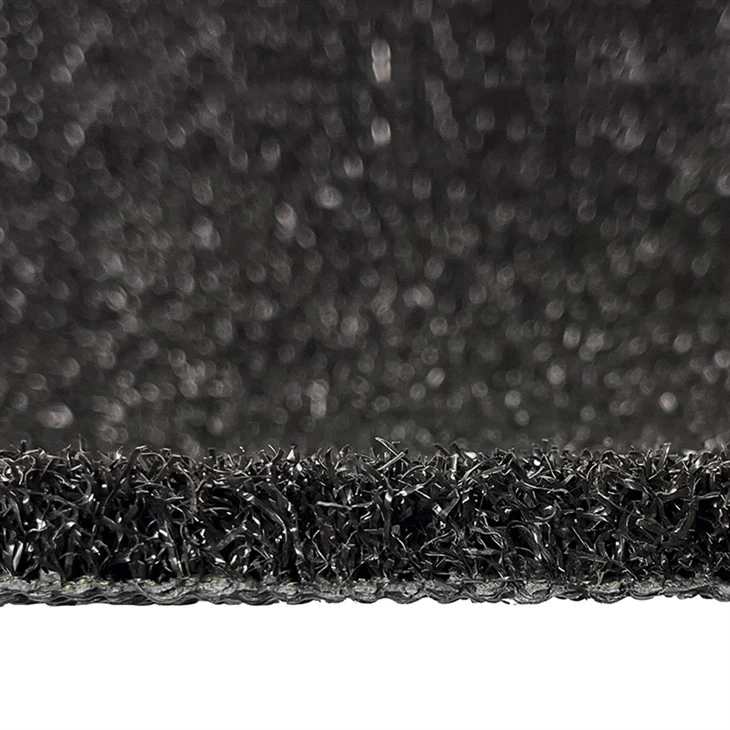
- Anchor the Turf: Make sure to anchor the turf properly to prevent it from being blown away by the wind. You can use stakes, weights, or other anchoring devices to secure the turf to the ground.
- Trim the Turf: Keeping the turf trimmed short can help to reduce the wind resistance and prevent it from being damaged by the wind. Make sure to trim the turf regularly to keep it at a manageable height.
- Use Windbreaks: If possible, install windbreaks around the sport turf to reduce the wind speed and protect the turf from the wind. You can use trees, shrubs, or other structures to create a windbreak.
Conclusion
Protecting sport turf from extreme weather conditions is essential to ensure its longevity and performance. By following these tips, you can help to protect your sport turf from the heat, cold, rain, and wind. If you have any questions or need more information about protecting sport turf, please don't hesitate to contact us. We're here to help you keep your sport turf in top condition.
If you're in the market for high-quality sport turf, we've got you covered. Check out our Tennis Turf, Rugby Artificial Turf, and Stadium Lawn Turf options. We offer a wide range of products to suit your specific needs and budget. Whether you're a school, a sports club, or a professional stadium, we can provide you with the perfect sport turf solution.
If you're interested in learning more about our products or would like to discuss your project, feel free to reach out. We're always happy to have a chat and help you find the best turf for your sport facility.
References
- Beard, J. B. (1973). Turfgrass science and culture. Prentice-Hall.
- Turgeon, A. J. (2012). Turfgrass management. Pearson.
- Schmidt, R. H., & Blouin, D. C. (2015). Sports turf management. CRC Press.