

How to repair damaged tennis court turf?
Jul 28, 2025
Leave a message
How to Repair Damaged Tennis Court Turf?
As a supplier of tennis court turf, I've witnessed firsthand the challenges that come with maintaining a high - quality playing surface. Over time, tennis court turf can suffer from various forms of damage, whether it's due to heavy use, extreme weather conditions, or accidental wear and tear. In this blog, I'll share some practical tips on how to repair damaged tennis court turf effectively.
Assessing the Damage
The first step in any repair process is to accurately assess the extent of the damage. Walk around the tennis court carefully and look for signs such as frayed edges, holes, discoloration, or areas where the turf has become loose. Small holes and frayed edges are relatively common and can usually be fixed with simple DIY methods. However, larger areas of damage or issues with the underlying structure may require professional intervention.
If you notice that the turf has lifted in some areas, check to see if it's just a surface problem or if there's an issue with the adhesive or the sub - base. Discoloration can be a sign of chemical spills, excessive sunlight exposure, or mold and mildew growth. Identifying the root cause of the damage is crucial for determining the most appropriate repair method.
Minor Repairs for Small Holes and Frayed Edges
For small holes in the tennis court turf, you can use a turf patch kit. These kits typically come with pre - cut patches of turf that match the color and texture of your existing surface. First, clean the area around the hole to remove any dirt, debris, or loose turf fibers. Then, apply a suitable turf adhesive to the back of the patch and carefully place it over the hole, pressing it down firmly to ensure a good bond. Use a roller or a heavy object to apply even pressure and help the patch adhere properly.
Frayed edges can be trimmed using a sharp utility knife. Make sure to cut the frayed part as cleanly as possible to prevent further unraveling. After trimming, you can use a turf sealer to reinforce the edge and prevent future damage. Simply apply the sealer along the cut edge according to the manufacturer's instructions.
Fixing Loose or Lifted Turf
If you find areas where the turf has become loose or lifted, the first thing to do is to determine the cause. If it's due to poor adhesive application, you can re - apply a high - quality turf adhesive. Start by lifting the loose section of turf and cleaning the sub - base beneath it to remove any dirt, dust, or old adhesive residue.
Apply the adhesive evenly to the sub - base using a trowel or a brush. Make sure to follow the recommended application rate specified by the adhesive manufacturer. Then, carefully lower the turf back into place, starting from one end and working your way across. Use a roller to smooth out any air bubbles and ensure full contact between the turf and the sub - base.
In some cases, the lifting may be caused by problems with the sub - base, such as unevenness or water damage. If this is the case, you may need to address the sub - base issue before re - attaching the turf. For minor unevenness, you can use a leveling compound to create a smooth surface.
Dealing with Discoloration
Discoloration on tennis court turf can be unsightly and may also affect the playability of the surface. If the discoloration is due to a chemical spill, immediately flush the area with plenty of water to dilute and remove the chemical. For stubborn stains, you can use a mild detergent solution and a soft brush to gently scrub the affected area.
If the discoloration is caused by mold or mildew, it's important to address the moisture issue first. Ensure proper drainage around the tennis court to prevent water from pooling. You can use a fungicide specifically designed for turf to treat the mold and mildew. Apply the fungicide according to the instructions on the product label, and make sure to wear appropriate protective gear.
Major Repairs and Replacement
In some situations, the damage to the tennis court turf may be too extensive for minor repairs. If a large portion of the turf is damaged, worn out, or if there are significant issues with the sub - base, it may be necessary to replace the entire turf surface.
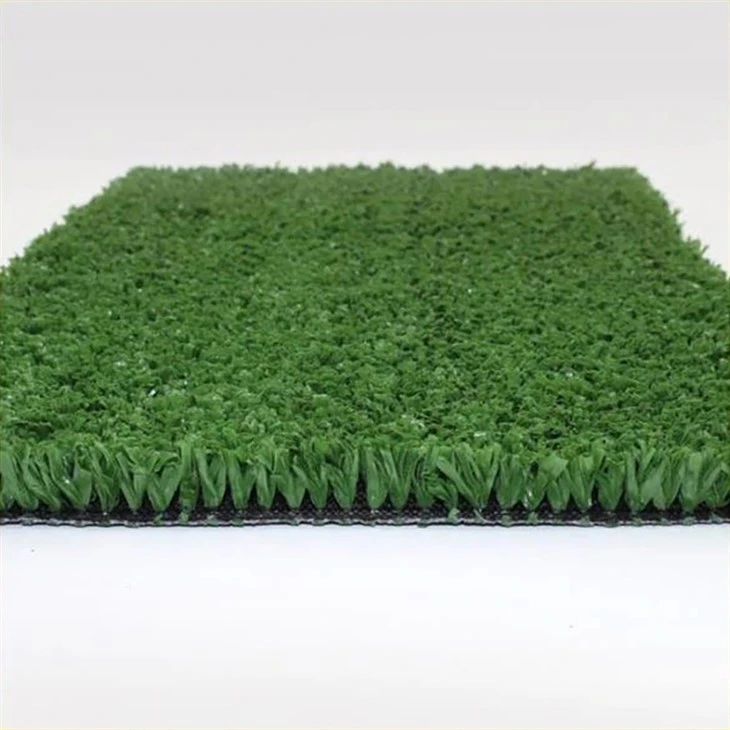
When considering a full replacement, it's important to choose high - quality Tennis Court Turf that meets your specific needs and requirements. Our company offers a wide range of Tennis Turf options, including both outdoor and Indoor Athletic Turf for different types of tennis facilities.
Before installing the new turf, make sure to prepare the sub - base properly. This may involve leveling the surface, ensuring proper drainage, and compacting the soil if necessary. Professional installation is recommended to ensure a smooth and long - lasting tennis court surface.
Preventive Maintenance
To minimize the need for repairs in the future, it's essential to implement a regular preventive maintenance routine. This includes regular cleaning to remove dirt, leaves, and other debris from the surface. Use a leaf blower or a soft - bristled broom to keep the turf clean.

Avoid using sharp objects on the tennis court turf, as they can cause cuts and tears. Also, be cautious when using chemicals or fertilizers near the turf, as they can cause discoloration or damage.
Regularly inspect the tennis court for any signs of wear or damage, and address small issues promptly before they turn into major problems.
Conclusion
Repairing damaged tennis court turf requires a combination of careful assessment, appropriate repair methods, and preventive maintenance. Whether you're dealing with minor holes, loose turf, or more extensive damage, following these tips can help you keep your tennis court in top condition.
If you're in the market for high - quality tennis court turf or need advice on repair and maintenance, we're here to help. Our team of experts has extensive experience in the turf industry and can provide you with the best solutions for your tennis court needs. Contact us to discuss your requirements and explore our wide range of turf products.
References
- "Artificial Turf Maintenance Guide" - Industry standard guide on maintaining artificial turf surfaces.
- Manufacturer's manuals for turf patch kits, adhesives, and other repair materials.