

Is it difficult to repair damaged stadium lawn turf?
Jan 05, 2026
Leave a message
Is it difficult to repair damaged stadium lawn turf?
As a supplier of Stadium Lawn Turf, I've encountered numerous inquiries from stadium managers, groundskeepers, and sports enthusiasts about the challenges associated with repairing damaged turf. This topic is not only relevant but also crucial for maintaining the integrity and functionality of sports facilities. In this blog, I'll delve into the factors that determine the difficulty of turf repair and offer insights based on my experience in the industry.
Understanding the Types of Turf Damage
Before assessing the difficulty of repair, it's essential to understand the different types of damage that stadium lawn turf can sustain. These can range from minor wear and tear to severe damage caused by heavy usage, extreme weather conditions, or improper maintenance.
Surface Wear
Surface wear is one of the most common forms of damage, especially in high - traffic areas such as goal mouths in soccer stadiums or the baselines in tennis courts. This type of damage typically presents as thinning grass, bald patches, or a worn - out appearance. While surface wear may seem minor, it can significantly affect the playing quality and safety of the turf.
Root System Damage
Root system damage can occur due to over - watering, under - watering, or the use of chemicals that are harmful to the grass roots. When the root system is compromised, the turf becomes less stable, more prone to uprooting, and may struggle to recover from surface damage. Repairing root system damage often requires a more in - depth approach, as it involves addressing the underlying soil conditions.
Physical Trauma
Physical trauma, such as cuts, tears, or gouges, can be caused by equipment, player actions, or natural disasters. These types of damage are usually more visible and can have an immediate impact on the playing surface. The severity of physical trauma can vary widely, from small, easily - repairable cuts to large, extensive tears that require significant restoration efforts.
Factors Affecting the Difficulty of Repair
Several factors come into play when determining the difficulty of repairing damaged stadium lawn turf. These include the type of turf, the extent of the damage, the time of year, and the available resources.
Type of Turf
There are two main types of stadium lawn turf: natural grass and artificial turf. Each type has its own unique characteristics and repair requirements.
Natural grass is more susceptible to damage and requires more maintenance than artificial turf. Repairing natural grass involves tasks such as reseeding, sodding, and soil amendment. The success of these repair methods depends on factors like the grass species, soil quality, and climate. For example, cool - season grasses may require different repair techniques than warm - season grasses.
Artificial turf, on the other hand, is more durable and resistant to wear and tear. However, when it does get damaged, the repair process can be complex. Artificial turf repairs often involve replacing damaged sections, which requires specialized tools and expertise. You can learn more about Stadium Lawn Turf on our website.
Extent of the Damage
The extent of the damage is a significant factor in determining the difficulty of repair. Minor damage, such as small bald patches or surface scratches, can usually be repaired relatively easily. This may involve simple tasks like filling in the damaged area with new grass seeds or patching the turf.
However, extensive damage, such as large areas of dead grass or severe tears in artificial turf, requires more time, effort, and resources. In some cases, it may be necessary to completely replace the damaged turf, which can be a costly and time - consuming process.
Time of Year
The time of year can also impact the difficulty of turf repair. For natural grass, the best time to repair damage is during the growing season when the grass is actively growing and can recover more quickly. Repairing natural grass during the dormant season can be more challenging, as the grass may not respond as well to reseeding or sodding.
For artificial turf, weather conditions can still play a role in the repair process. Extreme heat or cold can make it difficult to work with the materials, and heavy rain or snow can delay the repair work.
Available Resources
The availability of resources, including materials, equipment, and skilled labor, can significantly affect the difficulty of turf repair. Having access to high - quality turf materials, proper repair tools, and experienced technicians can make the repair process smoother and more successful.
In some cases, stadiums may need to outsource the repair work to professional turf maintenance companies if they do not have the in - house expertise or resources. This can add to the cost and complexity of the repair process.
Repairing Different Types of Turf
Let's take a closer look at the repair processes for natural grass and artificial turf.
Natural Grass Repair
For minor surface wear on natural grass, the first step is to assess the soil condition. If the soil is compacted, aeration may be necessary to improve air and water circulation. After aeration, the damaged area can be filled with a high - quality grass seed mixture appropriate for the local climate and grass species.
For more extensive damage, sodding may be a better option. Sodding involves laying pre - grown grass on the damaged area. This provides an instant solution and can help the turf recover more quickly. However, sodding requires careful preparation of the soil and proper watering and maintenance after installation.
Artificial Turf Repair
Repairing artificial turf typically involves identifying the damaged area and removing the damaged section. The edges of the remaining turf must be carefully prepared to ensure a seamless repair. A new piece of artificial turf is then cut to fit the damaged area and glued or sewn in place.
Specialized tools, such as turf cutters, seam tapes, and adhesives, are required for artificial turf repair. It's important to use high - quality materials to ensure the durability and performance of the repaired turf. You can explore our Tennis Court Turf and Tennis Turf options on our website for more information on artificial turf products.
Conclusion
In conclusion, the difficulty of repairing damaged stadium lawn turf can vary widely depending on several factors. While minor damage can often be repaired relatively easily, more extensive damage may require significant resources, time, and expertise.
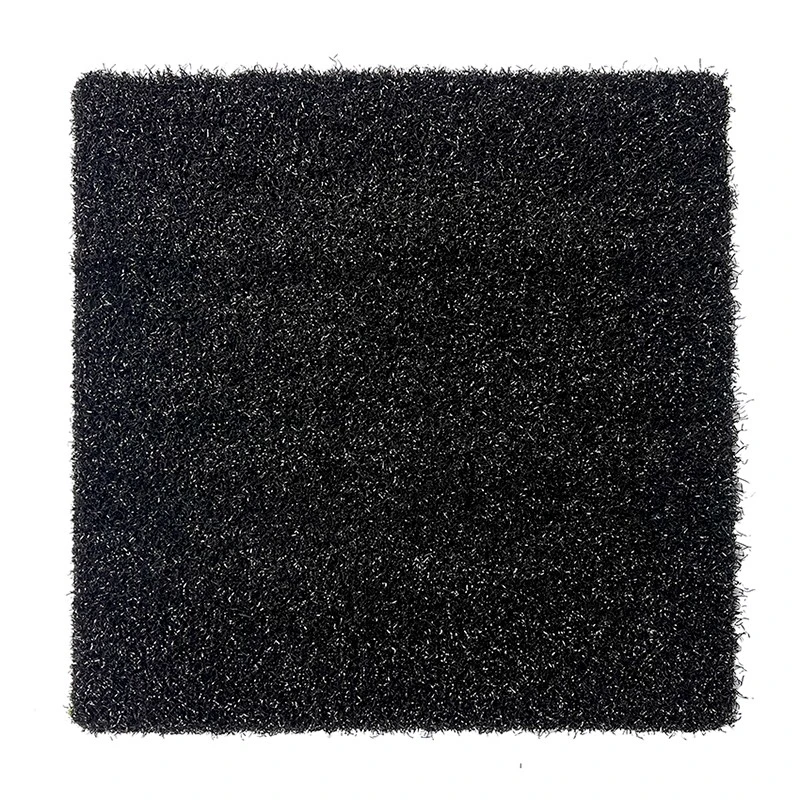
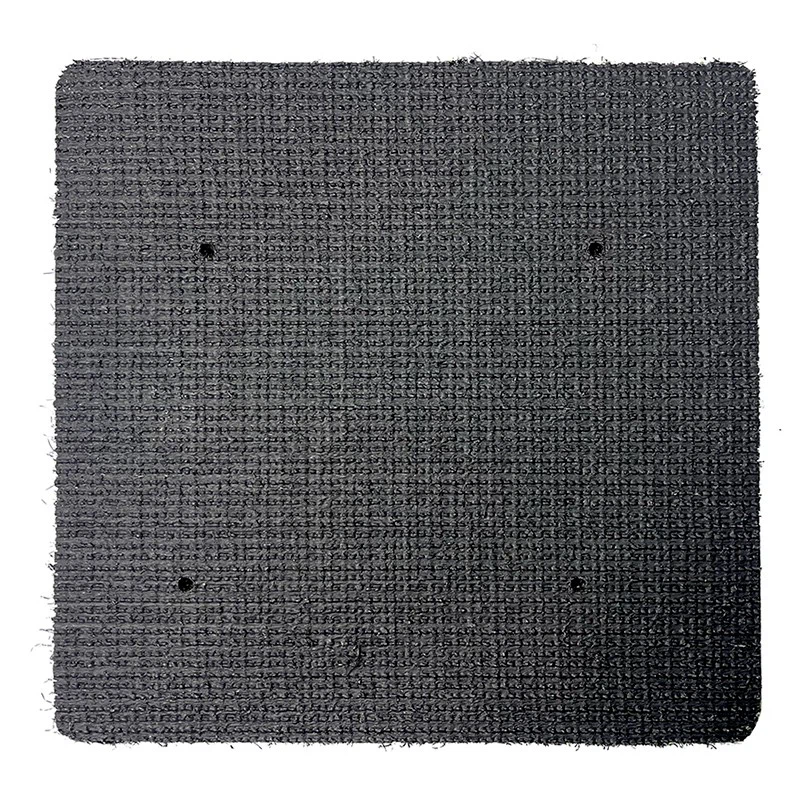
As a stadium lawn turf supplier, we understand the importance of maintaining high - quality playing surfaces. We offer a range of turf products and services to help stadiums and sports facilities address turf damage effectively. Whether you're dealing with natural grass or artificial turf, our team of experts can provide you with the guidance and support you need.
If you're facing turf repair challenges or are interested in purchasing high - quality stadium lawn turf, we encourage you to reach out to us. Our experienced sales team is ready to assist you with your specific needs and provide you with a customized solution. Let's work together to ensure your sports facility has a beautiful, functional, and safe playing surface.
References
- "Turfgrass Management for Sports Fields" by the Sports Turf Managers Association
- "Artificial Turf Installation and Maintenance Guide" by leading artificial turf manufacturers