

What is the impact of padel turf on the local ecosystem?
Dec 02, 2025
Leave a message
Hey there! I'm a supplier of padel turf, and I've been getting a lot of questions about how it impacts the local ecosystem. So, I thought I'd sit down and write this blog to share what I've learned.
First off, let's talk about what padel turf is. Padel is a racket sport that's kind of like a mix between tennis and squash. The turf used on padel courts is designed to provide a good playing surface, with the right amount of bounce and grip. There are different types of padel turf, like Padel Artificial Grass and Indoor Sport Turf, which are suitable for different settings.
Positive Impacts on the Local Ecosystem
Water Conservation
One of the biggest pluses of using padel turf, especially artificial turf, is water conservation. Natural grass requires a ton of water to stay green and healthy. In areas where water is scarce, this can put a real strain on local water supplies. With artificial padel turf, you don't have to water it at all. That means less water is being used, which is great for the local ecosystem. It helps to preserve this precious resource for other important uses, like drinking water and agricultural needs.
Reduced Pesticide and Fertilizer Use
Natural grass often needs pesticides and fertilizers to keep it looking good and free from pests and diseases. These chemicals can have a negative impact on the local environment. They can seep into the soil and contaminate groundwater, and they can also harm beneficial insects and wildlife. Artificial padel turf doesn't need these chemicals. So, by choosing artificial turf for padel courts, we're reducing the amount of harmful chemicals that end up in the local ecosystem.
Long - Term Durability
Padel turf, especially high - quality artificial turf, is very durable. It can last for many years without needing to be replaced. This means less waste in the long run. When natural grass areas need to be renovated or replaced, there's a lot of waste generated from the old grass and soil. With artificial turf, we can avoid this waste and contribute to a more sustainable local environment.
Negative Impacts on the Local Ecosystem
Heat Island Effect
One of the downsides of artificial padel turf is the heat island effect. Artificial turf can absorb and retain a lot of heat, especially on hot days. This can raise the temperature in the immediate area around the padel court. Higher temperatures can have a negative impact on local wildlife, especially small animals and insects that are sensitive to heat. It can also make the area less comfortable for people, and it can contribute to the overall warming of the local climate.
Microplastic Pollution
Artificial turf is made up of synthetic materials, and over time, these materials can break down into microplastics. When it rains or when the turf is cleaned, these microplastics can be washed into local waterways. Microplastics are a growing concern in the environmental community because they can be ingested by aquatic life, which can then enter the food chain. This can have long - term effects on the health of the local ecosystem.
Habitat Disruption
When a natural area is converted into a padel court with artificial turf, it disrupts the natural habitat for local plants and animals. Many species rely on specific types of vegetation and soil conditions to survive. By replacing natural grass with artificial turf, we're taking away these habitats. This can lead to a decline in local biodiversity, as some species may not be able to adapt to the new environment.
Mitigating the Negative Impacts
Cooling Solutions
To address the heat island effect, there are some solutions. For example, we can use special coatings on the artificial turf that reflect sunlight and reduce heat absorption. We can also plant trees and shrubs around the padel court. Trees provide shade, which can help to cool the area and create a more comfortable environment for both people and wildlife.
Microplastic Management
To deal with microplastic pollution, we can develop better cleaning and maintenance practices. For example, using filters in the drainage systems around the padel court can help to capture microplastics before they enter the waterways. We can also look into using more sustainable materials in the production of artificial turf that are less likely to break down into microplastics.

Habitat Restoration
To offset the habitat disruption, we can create new habitats nearby. For example, we can plant native plants in areas around the padel court. These native plants can attract local wildlife and provide them with food and shelter. We can also create small ponds or water features, which can be home to amphibians and other aquatic species.
Conclusion
As a padel turf supplier, I'm aware that padel turf has both positive and negative impacts on the local ecosystem. On one hand, it offers benefits like water conservation, reduced chemical use, and long - term durability. On the other hand, it can cause problems like the heat island effect, microplastic pollution, and habitat disruption. But the key is to find a balance. By implementing mitigation strategies, we can minimize the negative impacts and maximize the positive ones.
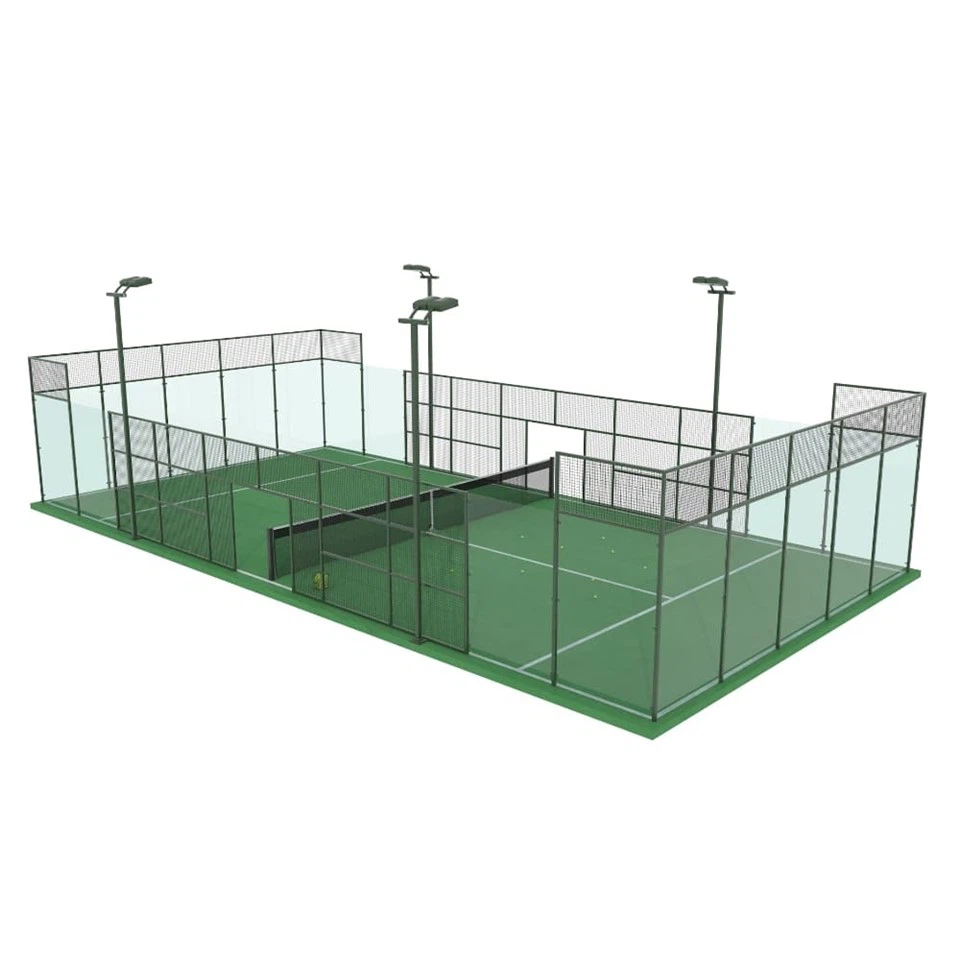
If you're thinking about installing a Padel Court and are concerned about the environmental impact, I'd love to have a chat with you. We can discuss the different options available and how we can make the installation as eco - friendly as possible. Whether you're a sports club, a school, or an individual looking to build a padel court, I'm here to help you make an informed decision. So, don't hesitate to reach out if you want to learn more or start the procurement process.
References
- EPA. (2023). "Environmental Impacts of Artificial Turf." United States Environmental Protection Agency.
- National Geographic. (2022). "Microplastics: A Growing Threat to Our Oceans." National Geographic Society.
- World Wildlife Fund. (2021). "Habitat Loss and Degradation." World Wildlife Fund.