

What are the installation challenges of indoor athletic turf?
May 19, 2025
Leave a message
What are the installation challenges of indoor athletic turf?
As a supplier of indoor athletic turf, I've witnessed firsthand the numerous challenges that come with installing this specialized surface. Indoor athletic turf is designed to meet the high - performance demands of various sports, from basketball and volleyball to tennis and rugby. However, the installation process is fraught with difficulties that require careful planning, expertise, and attention to detail.
Surface Preparation
One of the most significant challenges in installing indoor athletic turf is proper surface preparation. Unlike outdoor installations where the ground can be graded and compacted, indoor surfaces often have pre - existing structures and conditions that need to be addressed. The sub - floor must be level, clean, and free of any debris or contaminants. Even a small imperfection in the sub - floor can lead to unevenness in the turf, which can affect the performance and safety of athletes.
For example, if the sub - floor has moisture issues, it can cause the turf to delaminate or develop mold and mildew over time. To prevent this, a moisture barrier may need to be installed before laying the turf. Additionally, the sub - floor's hardness and shock - absorption properties must be compatible with the type of athletic activities that will take place on the turf. This often requires conducting thorough tests and making adjustments as needed.
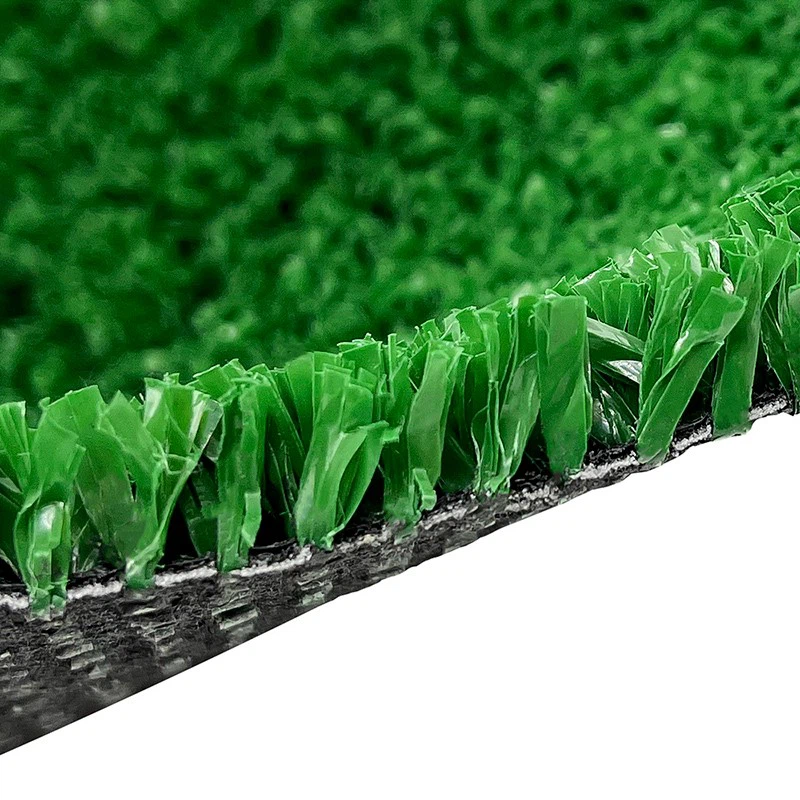
Measurement and Cutting
Accurate measurement and cutting of the indoor athletic turf are crucial for a successful installation. Each indoor sports facility has unique dimensions and layout, and the turf must be cut to fit precisely. Any miscalculation can result in wasted material, unsightly seams, or gaps in the turf.
Measuring an indoor space can be challenging due to the presence of columns, walls, and other obstacles. It's essential to take into account all these factors and create a detailed layout plan before cutting the turf. Specialized tools and techniques are required to ensure clean and precise cuts. For instance, when installing Tennis Court Turf, the lines and markings need to be cut and placed with extreme accuracy to meet the sport's regulations.
Seaming and Joining
Seaming and joining the pieces of indoor athletic turf is another area where challenges arise. A strong and seamless joint is necessary to provide a smooth and continuous playing surface. There are different methods for seaming turf, including heat welding and adhesive bonding.
Heat welding is a popular method as it creates a permanent and watertight seal. However, it requires specialized equipment and skilled technicians. Adhesive bonding, on the other hand, is more straightforward but may not be as durable in high - traffic areas. Choosing the right seaming method depends on various factors, such as the type of turf, the location of the installation, and the expected level of use. For Indoor Athletic Turf, which is often subject to heavy foot traffic and intense athletic activities, a high - quality seaming technique is essential to ensure the longevity of the surface.
Temperature and Humidity Control
Indoor environments have different temperature and humidity conditions compared to outdoor settings. These factors can significantly impact the installation process of athletic turf. Turf materials are sensitive to temperature and humidity changes, which can cause them to expand or contract.
During installation, it's crucial to maintain a stable environment within the recommended temperature and humidity range. If the temperature is too low, the adhesive may not bond properly, and the turf may become brittle. Conversely, high humidity can slow down the drying process of adhesives and increase the risk of mold growth. Installers need to monitor these conditions closely and make adjustments as necessary to ensure a successful installation.
Integration with Existing Systems
In many indoor sports facilities, the athletic turf needs to be integrated with existing systems such as lighting, ventilation, and drainage. This integration can be complex and requires coordination between different contractors and trades.
For example, the turf installation must not interfere with the ventilation system, as proper air circulation is essential for maintaining a healthy indoor environment. Similarly, the drainage system needs to be designed and installed in a way that ensures water can flow freely through the turf without causing flooding or waterlogging. When installing Rugby Artificial Turf, which is often used in large - scale indoor arenas, the integration with these systems becomes even more critical due to the high volume of water generated during games and practices.
Safety and Compliance
Ensuring the safety of athletes is of utmost importance when installing indoor athletic turf. The turf must meet all relevant safety standards and regulations, including shock - absorption requirements, slip resistance, and fire safety.
Meeting these standards can be challenging, especially when dealing with different types of sports and activities. For example, a turf used for gymnastics may require different shock - absorption properties compared to a turf used for basketball. Installers need to be aware of these requirements and select the appropriate turf and installation methods to ensure compliance. Additionally, proper signage and safety markings need to be installed on the turf to inform athletes of potential hazards.
Time Constraints
Indoor sports facilities often have tight schedules, and the turf installation must be completed within a specific timeframe. Delays in installation can disrupt the facility's operations and cause financial losses.
There are many factors that can contribute to installation delays, such as unforeseen surface issues, weather conditions (which can affect the delivery of materials), and labor shortages. To minimize the risk of delays, it's essential to have a detailed project plan and a contingency plan in place. Installers should also work closely with the facility management to coordinate the installation process and ensure that all necessary resources are available.
Conclusion
Installing indoor athletic turf is a complex process that involves numerous challenges. From surface preparation and measurement to seaming, temperature control, and integration with existing systems, every step requires careful planning and execution. As a supplier, I understand the importance of providing high - quality turf and supporting our customers throughout the installation process.
If you're considering installing indoor athletic turf for your sports facility, we're here to help. Our team of experts has the knowledge and experience to overcome these challenges and ensure a successful installation. We offer a wide range of Indoor Athletic Turf products to meet the specific needs of different sports and activities. Contact us today to discuss your project and start the journey towards a world - class indoor sports surface.

References
- "Artificial Turf Installation Guide" by the Sports Turf Research Institute
- "Safety Standards for Indoor Athletic Surfaces" published by the National Athletic Equipment Manufacturers Association
- Industry reports and case studies on indoor athletic turf installations from leading suppliers and contractors.