

What is the heat - dissipation capacity of sport turf?
May 19, 2025
Leave a message
Hey there! As a sport turf supplier, I've been getting a lot of questions lately about the heat - dissipation capacity of sport turf. So, I thought I'd sit down and write this blog to share some insights on this topic.
First off, why is heat dissipation in sport turf so important? Well, when it comes to sports, players need a safe and comfortable playing surface. High temperatures can make the turf surface extremely hot, which not only affects the players' performance but also poses a risk of heat - related injuries like burns and heatstroke.
Let's start by understanding what affects the heat - dissipation capacity of sport turf. One of the main factors is the material of the turf. Most sport turfs are made from synthetic materials such as polyethylene or polypropylene. These materials have different thermal properties. Polyethylene, for example, has a relatively low thermal conductivity. This means it doesn't transfer heat as quickly as some other materials. But it can also trap heat on the surface, making it warmer compared to natural grass in hot weather.
The color of the turf also plays a huge role. Dark - colored turfs absorb more sunlight and heat compared to light - colored ones. If you've ever walked on a black road on a sunny day, you know how hot it can get. Similarly, a dark - green or black sport turf will heat up faster than a light - green one. So, if heat dissipation is a major concern, choosing a lighter - colored turf can be a smart move.
The structure of the turf is another important aspect. Turfs with a more open and porous structure allow better air circulation. Air can flow through the turf, carrying away heat and keeping the surface cooler. For instance, some advanced sport turfs are designed with special patterns or fibers that create small air channels. These channels act like mini - ventilation systems, enhancing the heat - dissipation capacity.
Now, let's talk about how we, as a sport turf supplier, deal with these heat - related issues. We offer a variety of turf products with different heat - dissipation capabilities. Take our Tennis Court Turf for example. It's designed with a special combination of materials and colors to ensure good heat dissipation. The light - colored fibers reflect more sunlight, reducing the amount of heat absorbed. And the unique structure allows air to flow freely, keeping the surface at a more comfortable temperature for players.

Our Rugby Artificial Turf is also engineered to handle heat well. Rugby is a high - intensity sport played on large fields. The players are constantly running and tackling, so a cool playing surface is crucial. Our rugby turf uses a blend of materials that have good thermal properties. The fibers are arranged in a way that maximizes air movement, helping to dissipate heat quickly.
For large stadiums, we have the Stadium Lawn Turf. Stadiums host a large number of people and high - profile events. The turf needs to withstand long hours of use and high temperatures. Our stadium lawn turf is designed with advanced heat - dissipation technology. It can maintain a relatively stable temperature even under direct sunlight for extended periods.
But how do we measure the heat - dissipation capacity of our sport turfs? We use a combination of laboratory tests and real - world monitoring. In the lab, we use thermal sensors to measure the temperature of the turf surface under controlled conditions. We expose the turf samples to different levels of sunlight and measure how quickly they heat up and cool down. In the real world, we install temperature sensors on the installed turfs at various sports facilities. This allows us to collect data on how the turf performs in actual usage scenarios.
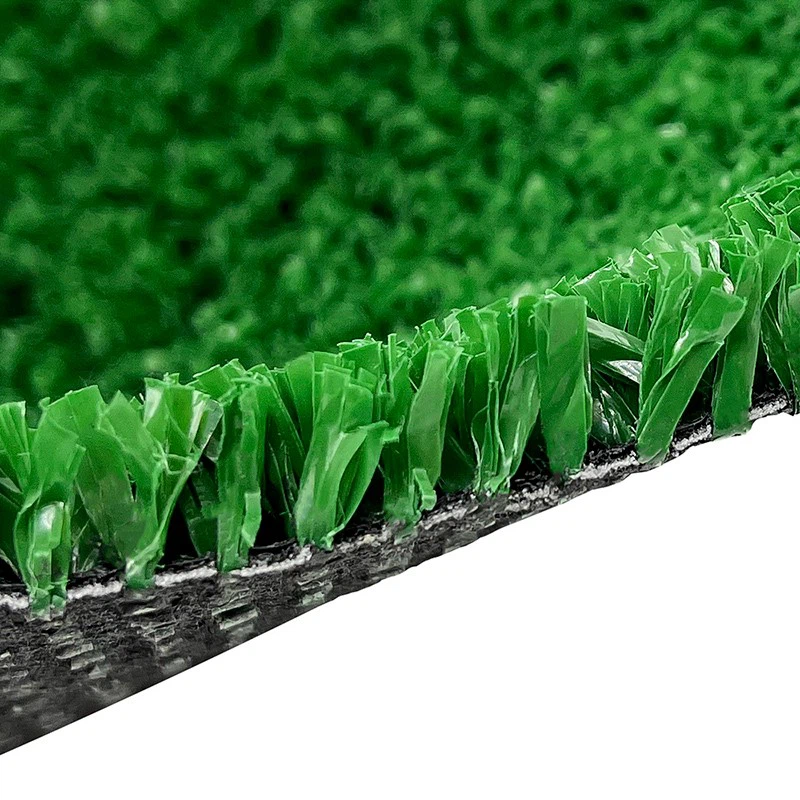
Based on these measurements, we continuously improve our turf products. We're always looking for new materials and designs that can enhance heat dissipation. For example, we're currently researching the use of phase - change materials in our turfs. These materials can absorb and release heat at specific temperatures, helping to regulate the surface temperature more effectively.
If you're in the market for sport turf, whether it's for a tennis court, a rugby field, or a stadium, heat dissipation should definitely be on your list of considerations. A turf with good heat - dissipation capacity can provide a more comfortable and safer playing environment for athletes. It can also reduce the wear and tear on the turf itself, as high temperatures can cause the materials to degrade faster.
So, if you're interested in learning more about our sport turf products and their heat - dissipation capabilities, don't hesitate to reach out. We'd be more than happy to have a chat with you about your specific needs and how our turfs can meet them. Whether you're a sports club manager, a stadium owner, or someone involved in a sports construction project, we're here to help you make the right choice.
In conclusion, the heat - dissipation capacity of sport turf is a complex but important aspect. It depends on factors like material, color, and structure. As a sport turf supplier, we're committed to providing high - quality turfs that offer excellent heat - dissipation performance. So, if you're looking for a reliable and heat - friendly sport turf, get in touch with us and let's start the conversation.
References
- Industry reports on synthetic sport turf materials and their thermal properties.
- Research papers on the impact of temperature on sports performance and player safety.